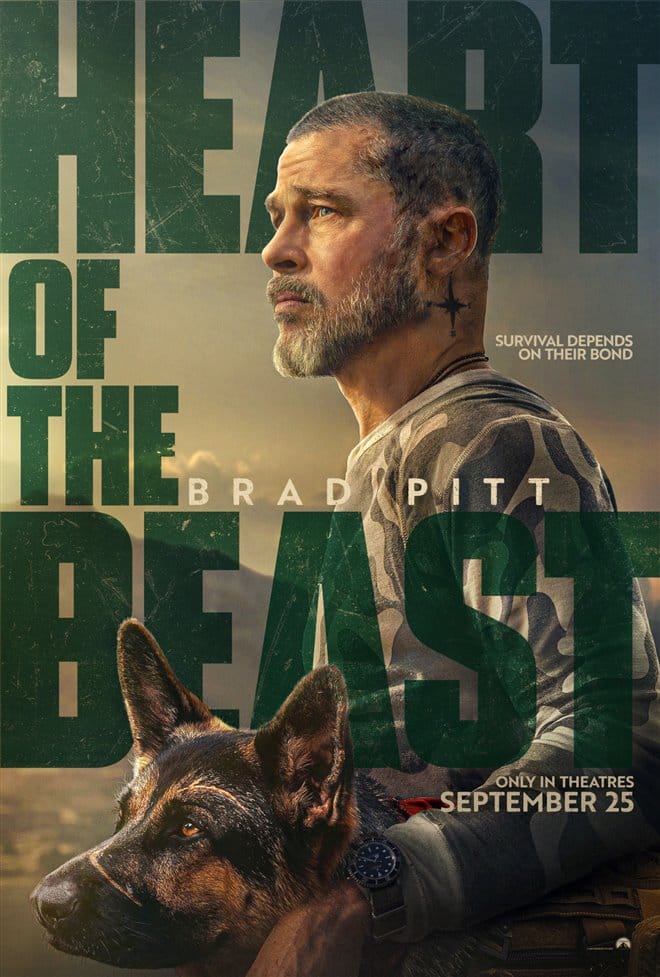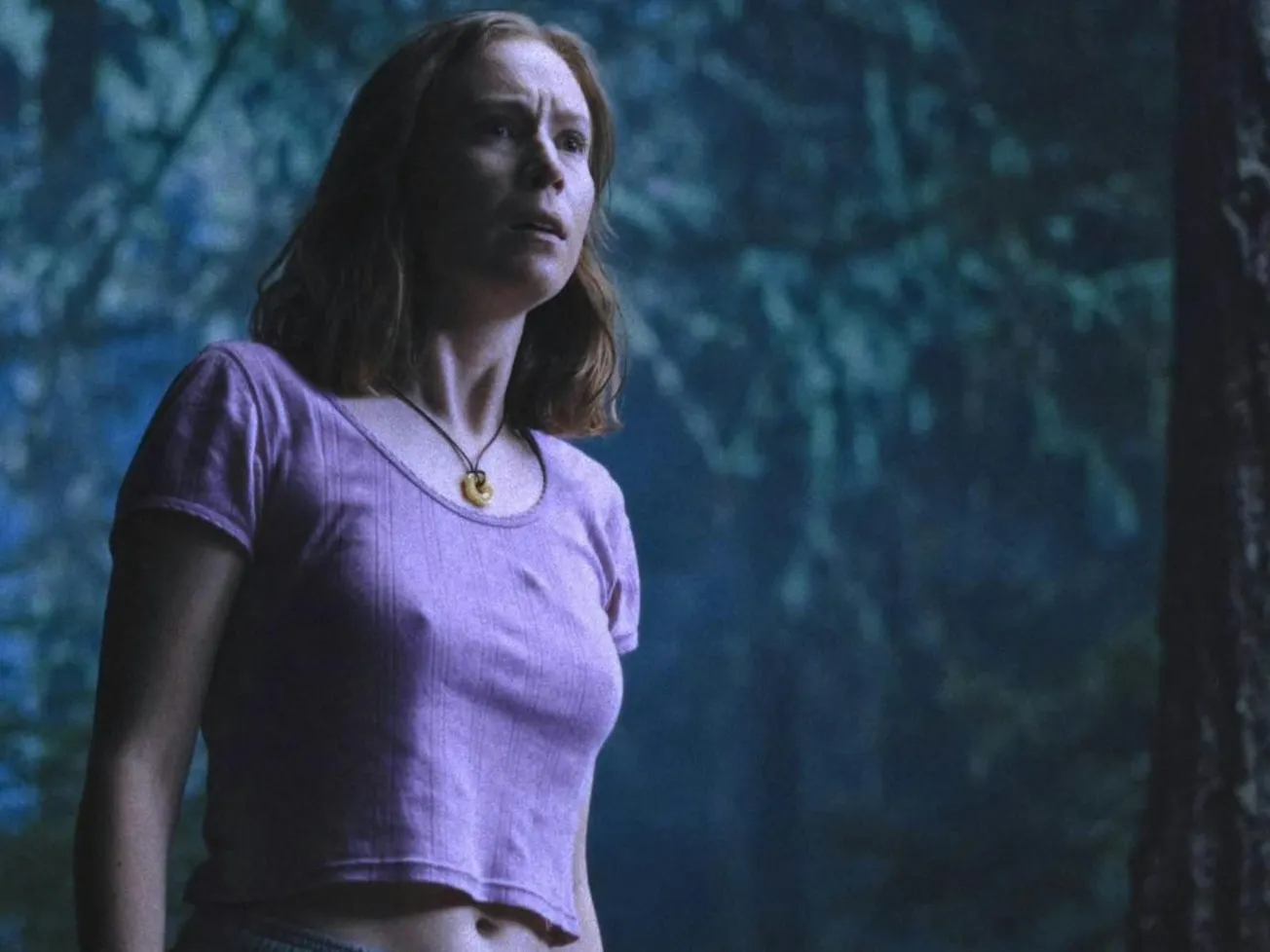
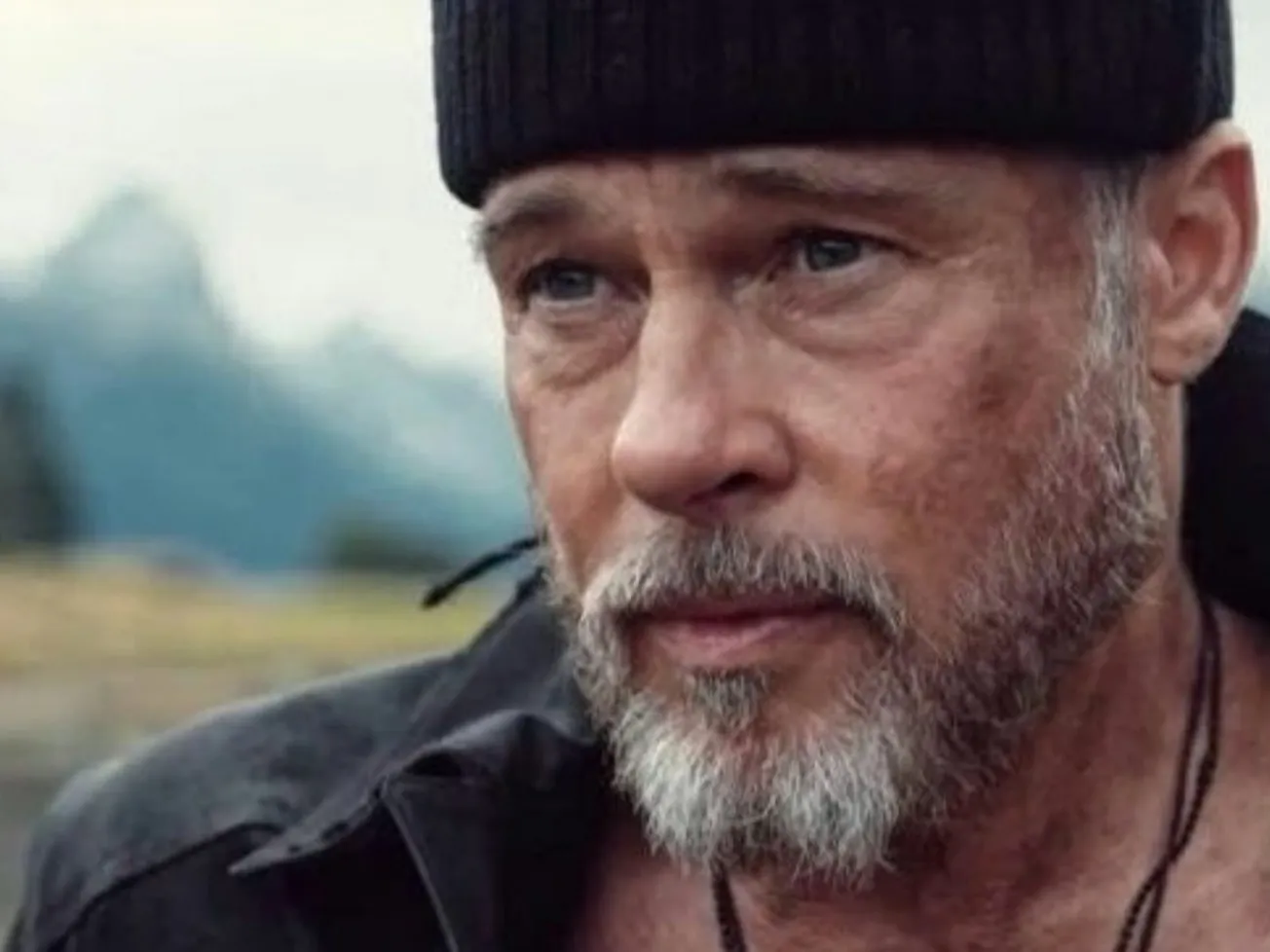
Heart of the Beast centers on James Belmont, played by Brad Pitt, a retired Special Forces operative who has sought solitude in the Alaskan wilderness after decades of service. The film's opening is deliberately slow, depicting Belmont's quiet life — fishing, setting up camp, sharing moments with a passing stranger — before tragedy strikes. The story takes a sharp turn when Belmont suffers a heart attack mid-flight, causing his plane to crash and leaving him and his loyal dog Odin stranded fifty-eight miles from civilization amidst a brutal natural landscape.
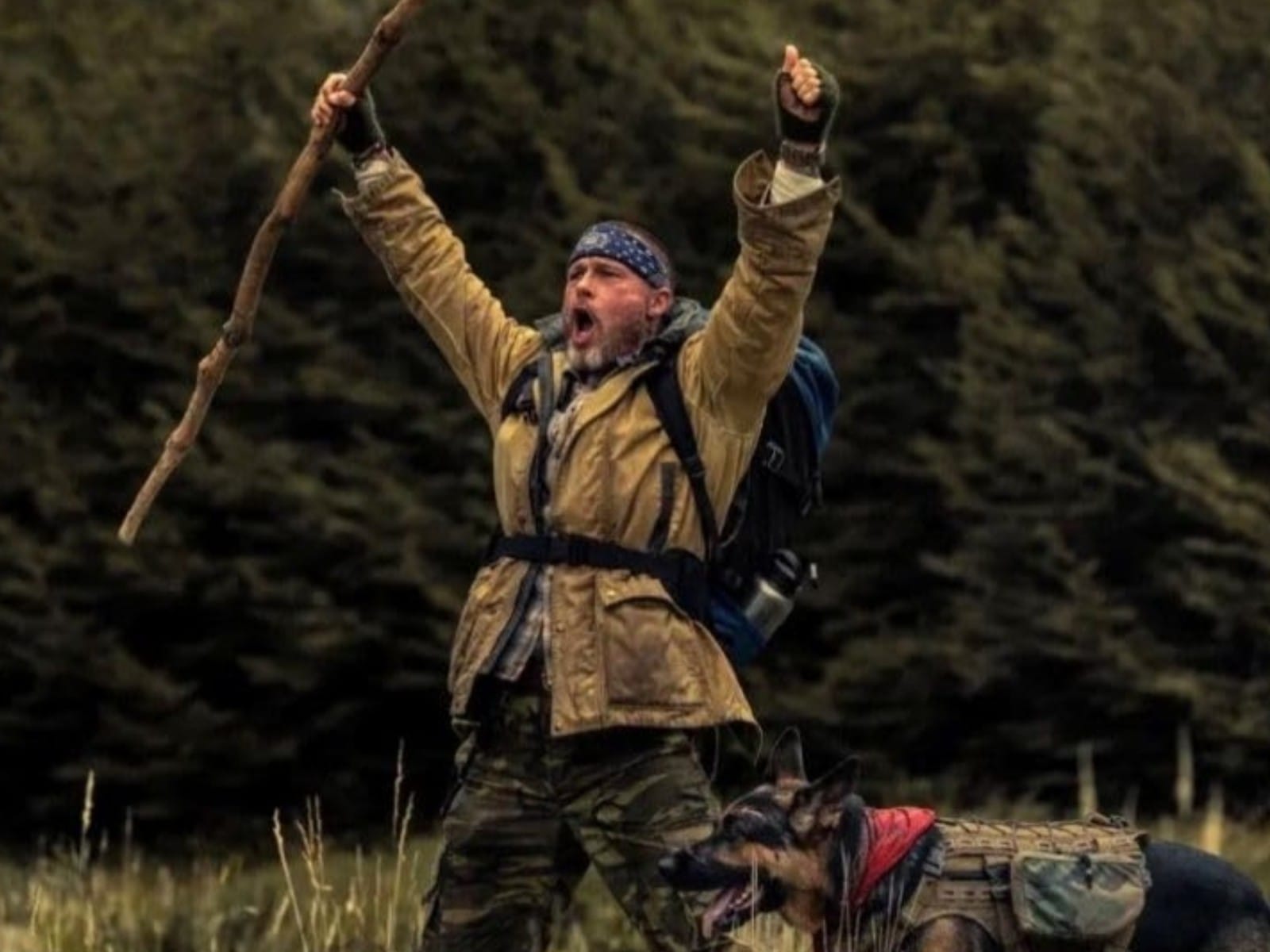
The second half shifts into a tense survival drama. Pitt's restrained performance, characterized by minimal dialogue and expressive facial cues, effectively conveys Belmont’s internal struggle and resilience. The true star, however, is Odin, a German Shepherd. The animal's portrayal is remarkable — evoking exhaustion, loyalty, stubbornness, and haunted awareness — making every glance and movement emotionally impactful. The film’s visual aesthetic, crafted by Mauro Fiore, captures the breathtaking yet merciless Alaskan scenery, emphasizing both its beauty and danger.
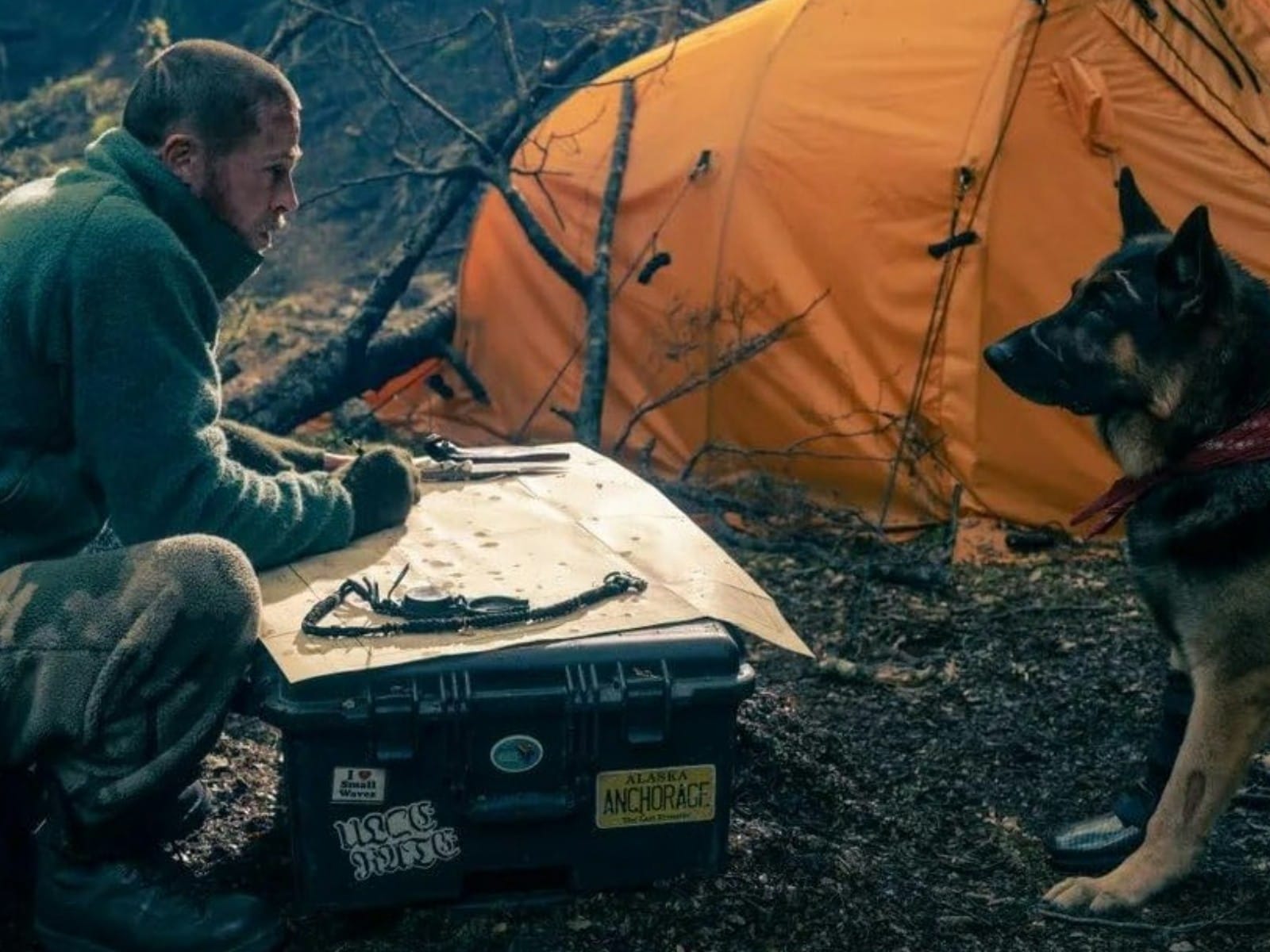
The film's pacing is uneven at first, with a slow setup that tests viewers' patience, but the intensity ramps up after the crash and delivers a gripping survival tale. The emotional core, which emphasizes the bond between a broken man and his steadfast dog, resonates deeply and culminates in an honest, tear-jerking conclusion. While not without flaws — particularly its sluggish opening and occasionally repetitive survival sequences — Heart of the Beast delivers a genuine, heartfelt story. The film’s quiet power, combined with impressive cinematography and a compelling animal performance, leaves a lasting impression, demonstrating that sometimes, silence and subtlety speak louder than words.