
Table of Contents
By Sam Donndelinger, Hope Pisoni. This article is published through a content partnership with Uncloseted Media. Consider supporting their important work at https://www.unclosetedmedia.com/
Lifelong Kansan Lucas Ryan, 29, says he has watched in horror as his home state has grown increasingly hostile toward gay and transgender residents over the past decade.
“It’s been terrible for my mental health; it’s been brutal,” Ryan, who is pansexual, told Uncloseted Media.
In the four most recent legislative sessions, Kansas lawmakers proposed 41 anti-LGBTQ state bills and passed seven into law, according to an American Civil Liberties Union tally. Earlier this year, Republicans overrode a veto by Kansas’ Democratic governor in order to pass into law a measure invalidating driver’s licenses that do not reflect a person’s sex assigned at birth and limiting transgender people’s access to public restrooms.
“It was chaos,” Ryan says. “No one could even drive to the DMV to change their license because it was effective immediately.”

Ryan, who lives and attends law school in Topeka, the state capital, says he has helped several transgender friends leave Kansas by connecting them with relocation resources and helping them coordinate the logistics of their moves.
On Tuesday night, with his toddler asleep downstairs, Ryan paced his living room as the midterm results came in. He says the frustration he felt while anticipating his home state would send Republican Sen. Roger Marshall back to Washington shifted to celebratory shock: Kansas was turning blue.
“I was really surprised,” Ryan says. “It’s been so long since we’ve been in this position.”
Methodist megachurch pastor Adam Hamilton, a Democrat, defeated Marshall by five percentage points in a state that President Donald Trump won by more than 16 points just two years earlier. Kansas would be electing a Democrat to the Senate for the first time in 94 years.
“At the state level, I suddenly feel very safe,” Ryan says. “I haven’t felt this before.”
Kansas was part of the midterms’ “blue tsunami,” which saw Democrats flip both the House and Senate and emerge victorious in traditionally red states where Democratic wins seemed unthinkable just a few months ago. Iowa, Maine, North Carolina, Ohio, South Carolina and Texas joined Kansas in flipping and breaking GOP control of the Senate.
The Democrats have historically been the more pro-LGBTQ party, which has led the community to be a reliable blue voting bloc: According to NBC News’ 2026 Exit Poll, 86% of the LGBTQ voters polled identified as Democrats, with only 12% identifying as Republican.
“I’m hoping we can make some real change,” Ryan says.
Making Red States Feel More Like Home
Hundreds of miles from Kansas, LGBTQ Texans were witnessing their own political shift, with historic Democratic candidates winning an open Senate seat and the gubernatorial race.
Dayna Vonne Getz, a 55-year-old transgender woman living in Dallas, says she has endured verbal harassment and vandalism, including getting her tires slashed, because of her gender identity. That’s all on top of the 152 anti-LGBTQ bills proposed in the state since 2023, 11 of which were passed into law, according to the ACLU’s tally.
“I have had a difficult time,” Vonne Getz, who has lived in the state for 35 years, told Uncloseted Media. “Being an electrician in a macho world as a trans person is really tough, especially in Texas, and that’s all I know.”
She says the persistent mistreatment she has faced has led to several efforts to flee the state. She attempted to do so twice in 2020, but was unsuccessful. Since then, she says, she’s been saving money in order to move to Oregon or Colorado this coming spring. The election-night results, however, have her rethinking her plan.
In blockbuster races that garnered nationwide attention, Democrat James Talarico defeated Republican Attorney General Ken Paxton for a seat in the U.S. Senate, and Democrat Gina Hinojosa unseated Republican Gov. Greg Abbott. Talarico and Hinojosa will be the first Democrats to hold their respective positions since the 1990s.
“I feel as if I’m more protected almost immediately,” Vonne Getz says.
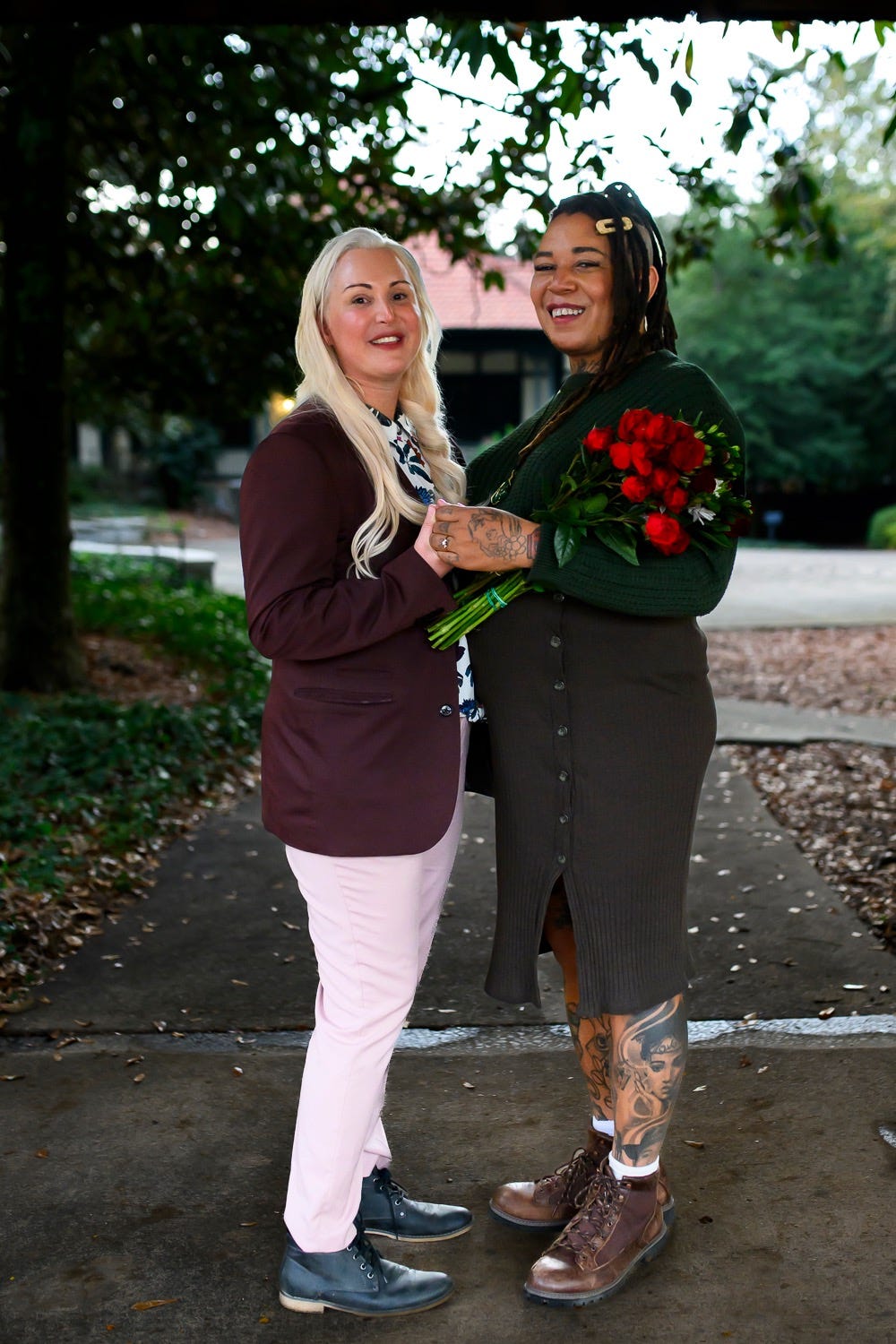
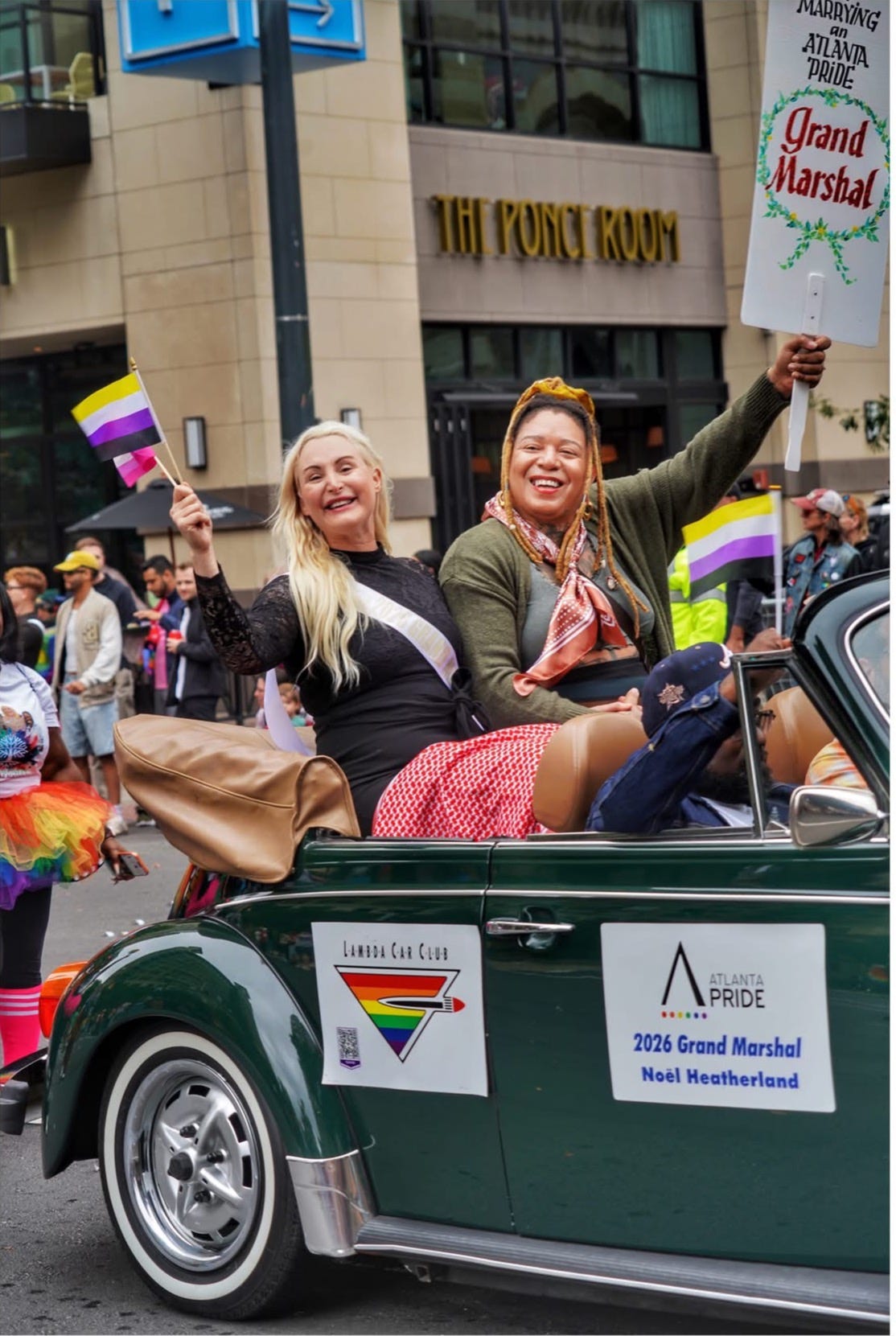
Georgia residents Noël Heatherland, 43, and Arie James Parker, 37, feared they might have to leave the state if Republican Rick Jackson won the governor’s race. Heatherland, the statewide organizing and outreach manager for LGBTQ advocacy group Georgia Equality, and Parker, a Two-Spirit trans activist and tattoo artist, worried they would be targeted under continued Republican leadership. They already stopped visiting Parker’s family in Texas, where they feared a trip to a public women’s restroom could be a dangerous situation for Parker, and they worried the same could come for Georgia.
“We just weren’t sure, if Georgia continued further down the MAGA trajectory, if it was going to be a safe place for us to stay and build a family,” Heatherland told Uncloseted Media.
After days of anxiety, the Atlanta-area couple watched results trickle in on Tuesday at a party for Democrat Bentley Hudgins, a human rights advocate who won a seat in the Georgia House of Representatives, and in doing so became the state’s first openly transgender and nonbinary legislator. As Democrats secured the governorship for the first time in more than 20 years, Parker says the energy was electric at the watch party.
“It was like watching the best Super Bowl game I could ever imagine,” Parker says.
She described her reaction to the results as a “really overwhelming feeling.”
“I’m starting to cry a little bit, because it’s just like this big weight has been lifted off our shoulders,” Parker told Uncloseted Media. “The place I fell in love with is gonna become its old self or better, where we can all be out here together and not be so stressed out. Hopefully things become more affordable, and we can just live our damn lives.”
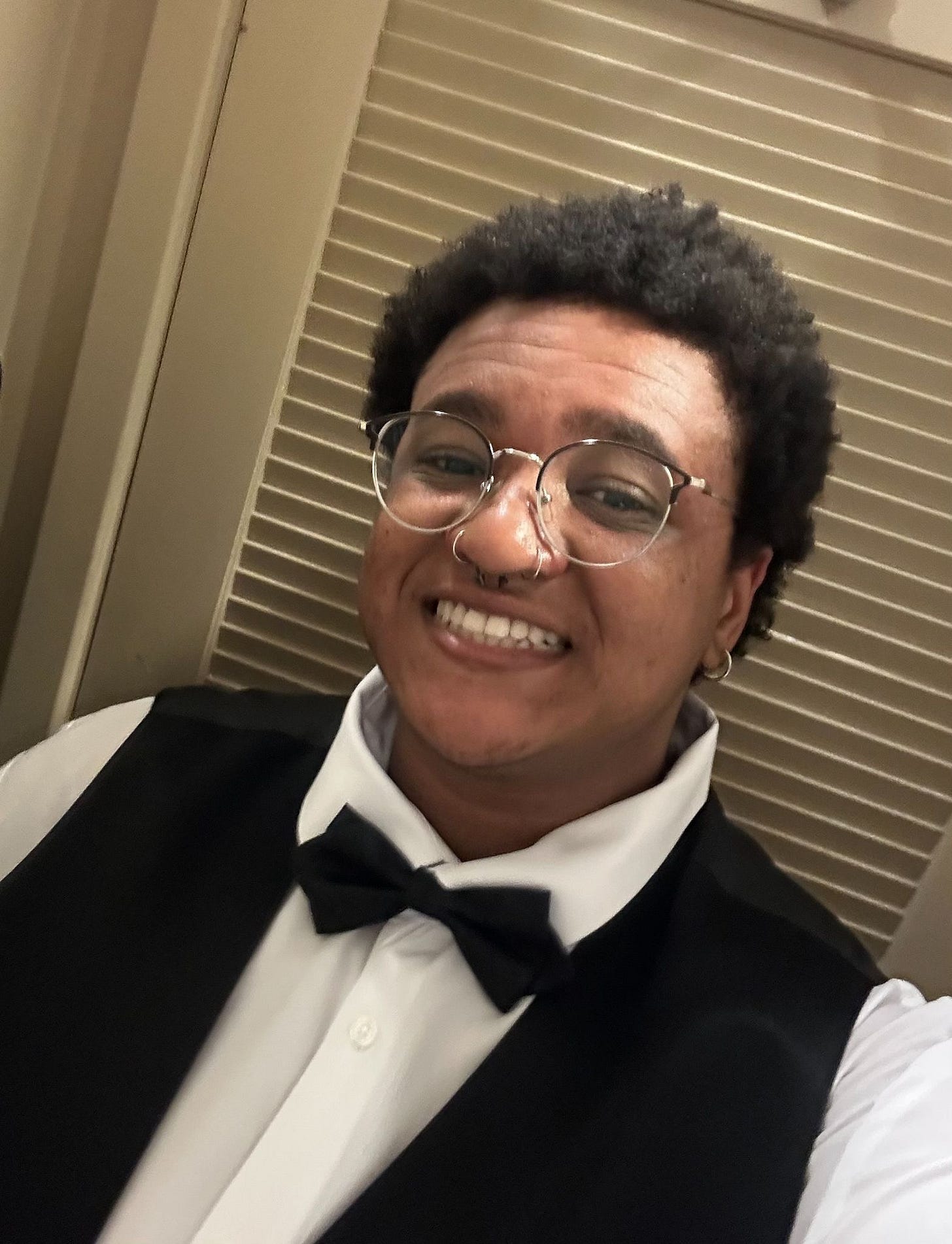
In neighboring South Carolina, Myrtle Beach resident Jewels Jones, a 25-year-old Black trans man who works at a smoke shop, spent election night hanging out with friends. While they had all voted for Annie Andrews, the Democratic Senate nominee, none of them had considered it to be a genuine possibility that she could actually win.
“It was almost unbelievable to think that South Carolina, the first state to secede from the United States, is blue,” Jones told Uncloseted Media, using American Civil War history to make his point. “I was so proud because of all the work that we had to get here and all the adversities that we were dealing with.”
South Carolina has seen 98 anti-LGBTQ bills proposed since 2023, according to the ACLU, with two of those measures becoming law: a restriction on which bathrooms and changing rooms trans students can use in public schools and a ban on gender-affirming care for minors. Andrews, who is cisgender, faced numerous anti-trans attack ads during her campaign, with Trump himself calling her an anti-trans slur numerous times.
The (In)Effectiveness of Anti-LGBTQ Ads
Republicans poured millions into advertising attacking transgender rights this election cycle, even as voters grappled with economic issues, including the rising cost of groceries, healthcare and fuel.
In Texas, a Houston Chronicle analysis found that 42% of ads supporting Republican Senate candidate Ken Paxton featured anti-LGBTQ messaging, making it the most prominent pro-Paxton ad issue.
Zein Murib, an associate professor of political science at Fordham University, says this strategy may have come at the expense of addressing issues that mattered more to voters.
“If Ken Paxton, for example, has a limited amount of time to say what he stands for,” Murib says, and a large portion of pro-Paxton ads “say that all he stands for is discrimination against LGBTQ people, he’s losing an opportunity to talk about healthcare, about cost of living, about jobs, about all the issues that people care about.”

For Dr. Gene Voskuhl, a 61-year-old infectious disease physician who has lived in Dallas for nearly two decades, the barrage of anti-LGBTQ advertising felt deeply personal and ineffective.
“It was shameful, it was hurtful, it was ugly,” he told Uncloseted Media. “Those things were coming across into our homes, right? So that is particularly difficult to watch.”
Mary Johnson, a 50-year-old Austin resident who has voted Republican for most of her life, says she was fed up with the “political immaturity” on both sides during this election cycle, but especially on the part of the GOP.
“I do definitely feel like the Republicans have gotten so much worse,” she told Uncloseted Media.
Johnson, whose son is gay, says she cast an almost all-blue ballot this year.
“I got so sick of the whole overdramatic ‘Talarico’s gonna take your children and cut their penises off,’” she says, referring to the anti-trans political ads that ran during the campaign. “I love that he won by so much. It sent a very strong message to the Republican Party of Texas that they’re not just gonna be able to win on hatred. It’s just not going to work anymore.”
While Johnson voted for Trump his first term, she now blames him for accelerating the decline in political decorum.
“When the CEO of the country is behaving like that, it’s a trickle-down effect,” she says, adding that the Republican campaign in Texas was “tone deaf” to voters struggling with grocery prices and healthcare costs.
Hopes for Affordability, Safety and Policy Change
When asked about the issues that most motivated them at the polls, many of the LGBTQ voters with whom Uncloseted Media spoke listed economic issues, but they also mentioned safety and having their voices heard by their elected officials.
Parker says she and Heatherland long for a chance at an “affordable life where we can actually slow down and focus on being together and forming our own family.”
“Some people have really lavish dreams and super huge things they want out of life, but for us, the simple things are the things that we truly enjoy,” she says. “It’d be nice to be able to feel that tomorrow, versus having to fight and wake up and fight, cry, pray, wake up and fight again.”
Heatherland also expressed hope that Democratic control of the state government could pave the way for statewide civil rights legislation. One such bill that failed to pass earlier this year would have introduced nondiscrimination protections for LGBTQ people and other marginalized communities in housing, employment and public accommodations.
“That is one major victory that we could see by the shifts that have taken place,” Heatherland says.
With Democrats poised to hold at least 54 seats in the Senate, 254 seats in the House and 28 governorships, according to The Associated Press’ Nov. 7 tally, many queer people hope to see a cultural shift that will make them safer in their communities.
“This is the flip we needed to make things a more comfortable place for the queer community to come out and exist again without as many fears of repercussions,” Vonne Getz says. “We’ll have the backing of more people again, because [people hostile to the LGBTQ community] will know that they don’t have the power anymore.”
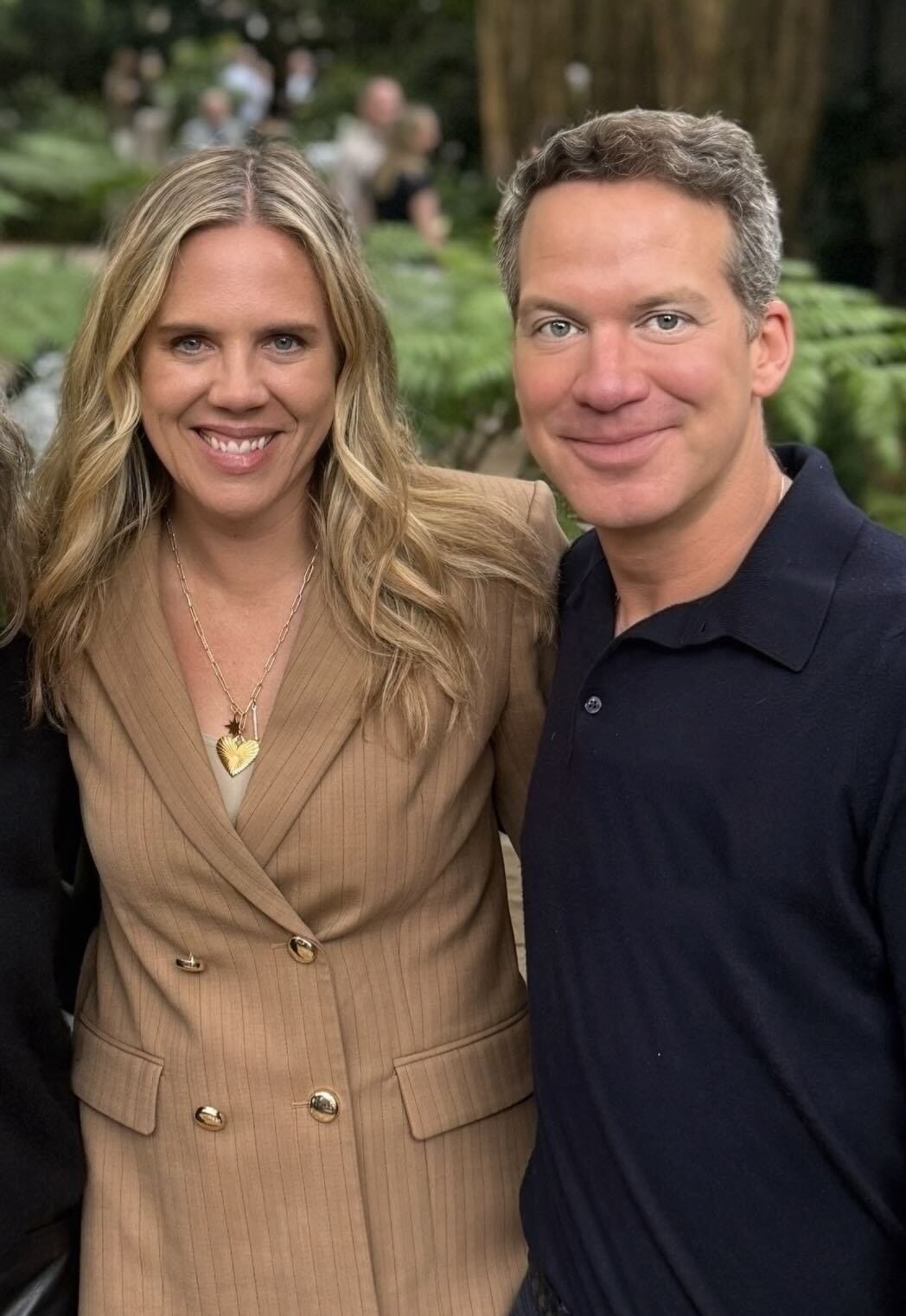
Sam Easley, a 48-year-old retired businessman in Charleston, South Carolina, supported Democrat Andrews’ Senate candidacy. Easley, who is gay, says Andrews’ victory over Trump’s handpicked candidate, Republican Darline Graham, proves that no matter how much a state might feel like a conservative stronghold, there’s always hope to elect lawmakers who will actually listen to their LGBTQ constituents.
“That night was proof, and proof that we needed, that it can be done, it just takes hard work,” Easley told Uncloseted Media. “It’s moments like this where we get a win, where it energizes people and reminds them that in order to fight, you have to stand up, and you have to be present.”
What Will Politicians Learn From This?
Beyond the direct results of a shift in political power, the midterm election results have also been seen as a bellwether for the future of how both parties discuss LGBTQ issues, especially related to the trans community. With Republicans investing heavily in anti-trans messaging and Democrats split on how to respond to that rhetoric prior to election night, the decisive blue victory will likely shape discussions in both parties on how to move forward.
Don Haider-Markel, a University of Kansas political science professor, told Uncloseted Media that the cultural shift behind Democrats’ victories could signal a retreat from the GOP’s anti-trans rhetoric, which dominated campaigns in 2024 and 2026 through slurs, speculation about candidates’ sexual orientations and attack ads.
“The anti-trans messaging is part of this hypermasculinity/hyperfemininity move that we’ve seen during Trump 2.0, that’s happening both in online spaces in the manosphere, but also with Pete Hegseth trying to make sure that our troops have enough testosterone, etc.,” Haider-Markel told Uncloseted Media. “I think that movement has crested in 2026, and that wave will start to subside as well.”
Haider-Markel says that there is no strong evidence that the GOP’s focus on opposing trans rights was a major deciding factor in their 2024 victory, but many pundits and analysts among the moderate wing of the Democrats began to position the party’s pro-trans positions as a weakness.
While Texas’ Hinojosa and Georgia’s Keisha Lance Bottoms maintained their pro-LGBTQ stances despite anti-trans attacks, Kansas’ Hamilton and South Carolina’s Andrews called trans girls “boys” and “biological men,” respectively, while supporting restrictions on gender-affirming care and trans athletes. Talarico also wavered on trans rights, shifting his positions on sports restrictions and federal LGBTQ protections throughout his campaign.
“It appears as though taking an anti-trans position didn’t really help or hurt Democrats, which I think points to the fact that this is not top of mind for voters,” Murib says. “The fact that we can’t say unequivocally that either way is a winning strategy is good going into 2028.”
Over in Texas, Voskuhl connected Talarico’s inconsistent rhetoric to Barack Obama’s first presidential campaign: While Obama openly opposed same-sex marriage and was not an outspoken ally to LGBTQ people in 2008, his tenure as president saw major gains for the community anyway. He hopes to see the same come to fruition with Talarico.
“The thing about Talarico to me is that he’s reasonable, that you can have a discussion with him, you can show him facts, and he can adjust,” Voskuhl says. “I do have faith that reasonable people can be shown who people are, what people need, and respond.”
However, that can only happen, he says, if people continue doing the work to fight for LGBTQ rights after Election Day.
Back in Kansas, Lucas Ryan says he’s been feeling optimistic in the days following the election.
“I have a sense of hope because Kansas did so well,” he says, referring to his state’s part in the so-called blue tsunami. “We have a long history of having influence outside our due, and if Kansas is making changes back towards our roots of progressivism, then I think there’s still hope for the nation.”