
Lisa Brown’s story is one of determination, leadership, and a deep commitment to the people of Spokane. As the city’s 48th mayor, she brings decades of experience and a vision for a more inclusive and equitable future.
Her path to leadership began early. Born in a small town in Illinois, Lisa’s early life was shaped by a love of learning and a drive to make a difference. She pursued her passion for economics, earning a bachelor’s degree from the University of Illinois and later a Ph.D. from the University of Colorado Boulder. In 1980, she moved to Spokane, where she began teaching economics at Eastern Washington University. What started as a career move quickly became a lifelong connection to the city she now calls home.
Lisa’s career has always been about breaking barriers. In 1992, she stepped into the political arena, winning a seat in the Washington State House of Representatives. Four years later, she moved to the State Senate, where she made history as the first Democratic woman to serve as Senate Majority Leader. Her time in the legislature was marked by bold initiatives — she fought for economic growth, environmental protection, and social justice, always with an eye on how policies could improve the lives of everyday people.
But Lisa’s impact didn’t stop at politics. After leaving the Senate, she served as Chancellor at Washington State University, Spokane. There, she played a critical role in the creation of the Elson S. Floyd College of Medicine, a transformative project that expanded healthcare access and brought new opportunities to the region. It was a testament to her ability to turn ideas into tangible results.
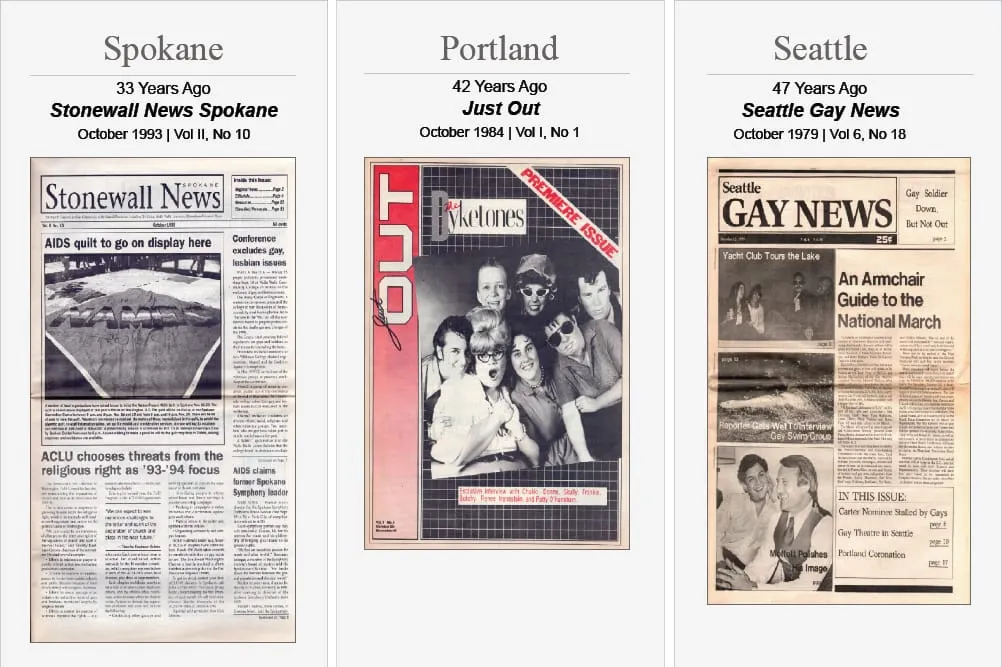
Throughout her career, Lisa has been a fierce advocate for LGBTQIA+ rights. She marched in Spokane’s first Pride Parade in 1992 and has consistently used her platform to advance equality and inclusion. Her recent mayoral campaign came amid targeted hate crimes against Spokane’s LGBTQIA+ community, including vandalism of Pride symbols. Lisa’s leadership during this challenging time was a source of hope and strength for many. “Standing up for human rights and equality isn’t just a political stance — it’s a moral one,” she said.
Now, as mayor, Lisa is tackling some of Spokane’s most pressing issues head-on. Homelessness is a top priority. “We can’t ignore the fact that too many people in our city are sleeping on the streets,” she said. Her approach involves collaboration — working with nonprofits, community leaders, and public safety officials to create sustainable solutions, from affordable housing to better outreach programs. She also sees Spokane as a regional leader, with the potential to influence neighboring areas and set an example for inclusivity and progress.
What sets Lisa apart is her deep connection to Spokane. Over the years, she’s lived in neighborhoods across the city, getting to know its people and its challenges firsthand. On weekends, she enjoys outdoor activities with her husband, Brian McClatchey, or cheering on her son, Lucas Brookbank Brown, at local music venues. For Lisa, Spokane isn’t just where she works — it’s where she’s built her life.
Inspired by her approach, I reached out to her for an interview, and she kindly agreed. Here are my questions and her responses.
Frank Gaimari: Rural and eastern Washington often face unique challenges regarding LGBTQIA+ visibility and support. What specific policies or initiatives are you championing to ensure Queer individuals in these areas feel safe, supported, and represented?
Lisa Brown: It is crucial not only to demonstrate support through policy but also to visibly stand in solidarity with our LGBTQ+ community. We have made LGBTQ+ visibility a priority across various areas, including our hiring practices, HR policies, and legislation addressing housing, homelessness, and human services. For instance, we recently partnered in the opening of a scattered-site shelter specifically designed for members of the LGBTQ+ community, recognizing that they face unique challenges compared to others experiencing homelessness. Additionally, I actively support this community by issuing proclamations and participating in events such as Pride and the Transgender Day of Visibility.
FG: Queer youth in rural areas often face higher rates of bullying, isolation, and mental health struggles. How can local governments and schools work together to create safer, more inclusive environments for LGBTQIA+ students?
LB: The City of Spokane works closely with Spokane Public Schools, particularly through the Together Spokane and Engage IRL initiatives. These programs are dedicated to making Spokane a community with facilities, programs, and activities that encourage young people and their families to get involved. When children have access to activities and programs that connect them with peers who share similar interests, they can build a sense of community and belonging. Additionally, we are fortunate to have a strong network of non-profits, including Odyssey Youth Movement, the Spectrum Center, and River City Youth, all of which work to engage kids and provide spaces for them to connect with others who share their experiences and identities.

FG: Hate crimes against LGBTQIA+ individuals remain a concern. What measures are you implementing to ensure law enforcement is trained to handle these cases and that Queer residents feel protected?
LB: The City of Spokane has invested in both the Office of Civil Rights, Equity, and Inclusion, as well as the Office of Police Ombuds, to ensure resources are available to any community member in the unfortunate event that they are a victim of a hate crime. The OCREI also conducts outreach to various communities to ensure they are aware of the resources available to them. I also ensured that, in hiring our police leadership, we selected someone who is welcoming to the LGBTQ+ community and open to dialogue and understanding.
FG: What’s one thing about Spokane that makes you most proud to represent the city as its mayor?
LB: Many years ago, before it was enacted at the state level, the Spokane City Council passed legislation prohibiting discrimination based on sexual orientation. The law was challenged, but voters upheld it. It was a proud moment for Spokane.
FG: If you could fast-forward 10 years, what’s one thing you hope Spokane will be known for under your leadership?
LB: Championing neighborhoods that are inclusive, walkable, and safe while supporting innovative individuals and the creative economy.
FG: Being a mayor is a demanding job. How do you unwind and recharge when you’re not working?
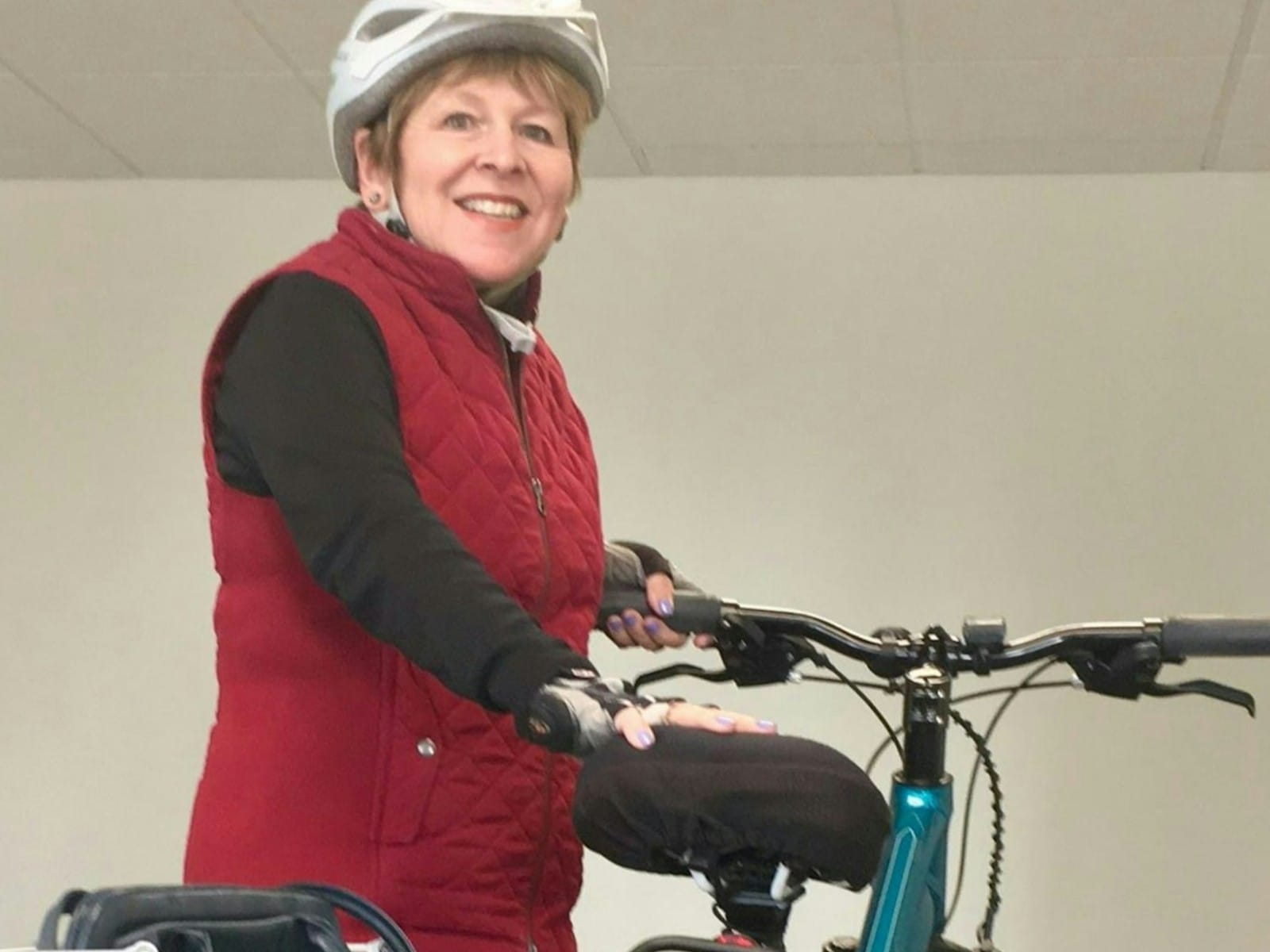
LB: Riding my bike, baking complicated recipes, and spending time with my grandson and his sisters.
FG: If you could share one message with every resident of Spokane, what would it be?
LB: We have an incredible river right in the heart of our city — everyone should gather their friends and family and connect with it as often as possible.
Lisa Brown’s journey from educator to legislator to mayor is a testament to her unwavering dedication to making Spokane a better place for all. As she leads the city into a new chapter, her focus on equity, opportunity, and community promises to leave a lasting legacy. With Lisa at the helm, Spokane is not just moving forward — it’s paving the way for a brighter, more inclusive future.
For more information on Mayor Brown, visit her official website at https://my.spokanecity.org/mayor/