It started with a simple question: “Can I ask you something?”
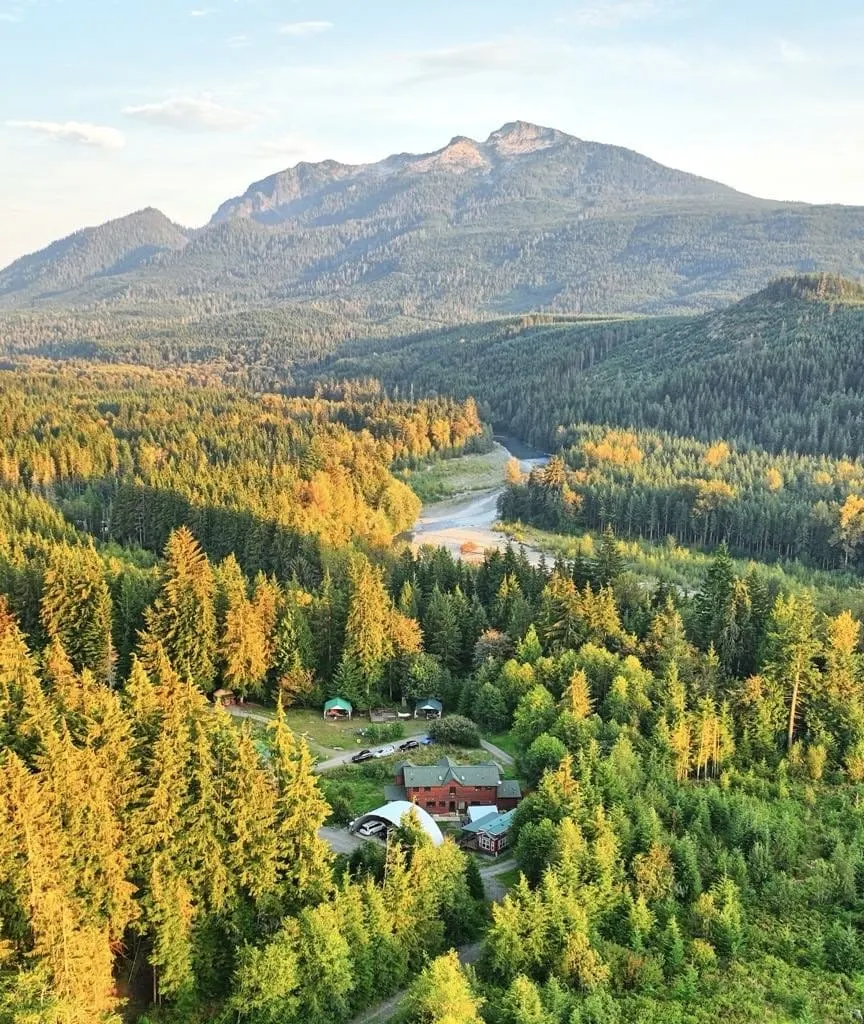
A seven-year-old, fresh off an overnight in one of our yurts, held a mug of morning cocoa like it was sacred. She’d barely slept, the anticipation of seeing the animals too strong to let rest settle in. The alpacas were waiting, and so was I — her tour guide, ranch hand, and partner in curiosity for the day.
She asked every question you can imagine and then a few more: Why do alpacas hum? Why don’t we take all the eggs? Could she try hatching some at home?
She wasn’t just visiting. She was engaging. So I gave her a challenge. While it would be too difficult to incubate eggs at home without special equipment, I told her she could still act like a mama hen and guard an egg for seven days. “Don’t crack it, don’t lose it. Protect it like it’s precious,” I told her. Her eyes lit up. She left with her egg baby, a postcard from us, and an invitation to send updates on her success.
There’s no manual for raising kids around animals, but there are definitely object lessons, if you’re paying attention. That day, she left with more than an experience. She walked away with a mission, a memory, and the seed of something bigger: a sense of care and responsibility.
Another child left us with a story, months later, relayed by his mother. Her toddler had picked out one of our “Paca Buddies” alpaca stuffies from the store. Weeks after the trip, he was still taking it to bed each night, cradling it like a baby bird. One morning, he gently pushed mom’s hand away from it: “Don’t touch my alpaca. The farmer says they don’t like to be touched.”
He had listened. More importantly, he had remembered. He had absorbed what we try to teach: the principle of consent, delivered through furry alpaca encounters.
Of course, not every encounter is quite so tidy. Once, we had two little boys staying with their mom — both adorably wild, both in custom superhero capes. They wanted to help with chores, so I handed out kid-sized tools and brought them down to the chickens.
Right on cue, one hen decided to make a grand exit from this world, keeling over in front of them mid-squawk. “She’s just napping,” I told them quickly, mentally revising the morning’s lesson plan. A few moments later, an overzealous rooster made an awkward situation worse. “Okay! Let’s go rake some hay,” I announced, shepherding them back toward the barn, cape tails trailing behind.
The younger one was still too shy to approach the alpacas. He watched from a distance, eyes wide, while his older brother raked hay in confused circles. Their mom was amazed. “They usually don’t focus on anything longer than 15 minutes,” she said, half stunned. I just smiled. Sometimes the animals don’t need to say a word. Sometimes their silence is the lesson.
Day after day, the barn becomes a classroom, the animals the co-teachers. And the children — their laughter, their questions, their wide-eyed wonder — remind us that the most lasting lessons often come not through instruction but through experience.
These kids may not remember every detail of their stay. But they’ll remember what they felt: the weight of an egg in their hand, the sound of an alpaca's hum, the quiet magic of being taken seriously by a farmer who believed they were capable of more.
And that, we hope, is enough to last them a lifetime.