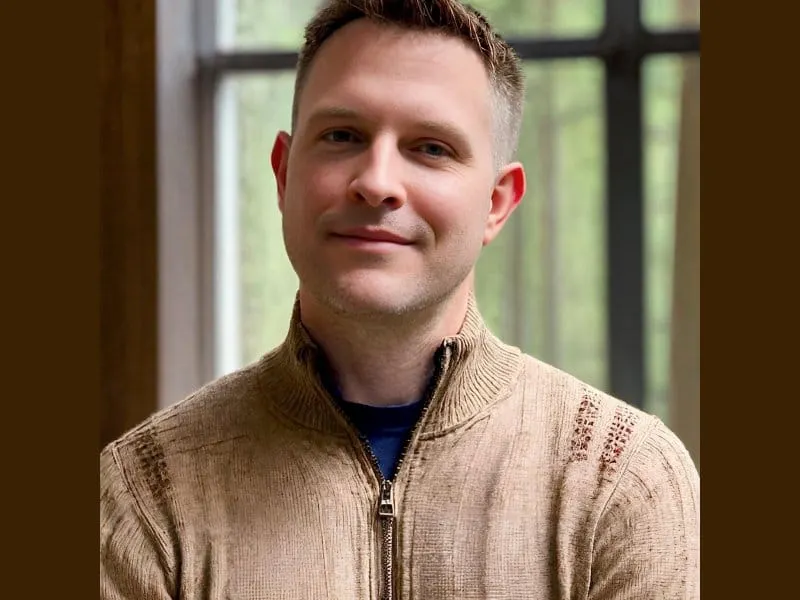
Ryan Oelrich, a monthly columnist in this publication, and a well-known figure in Spokane, has thrown his hat into the ring to fill the vacant seat on the Spokane City Council. Known for his extensive community involvement and multifaceted personal and professional background, Oelrich’s candidacy offers a compelling narrative of service, creativity, and resilience.
Ryan Oelrich, a monthly columnist in this publication, and a well-known figure in Spokane, has thrown his hat into the ring to fill the vacant seat on the Spokane City Council. Known for his extensive community involvement and multifaceted personal and professional background, Oelrich’s candidacy offers a compelling narrative of service, creativity, and resilience. </p>
His dedication to Spokane is evident in his role as executive director of Priority Spokane, a nonprofit organization addressing critical community challenges, including improving high school graduation rates and combating student homelessness. Through collaboration and strategic leadership, Oelrich has worked to better the lives of Spokane’s residents. His commitment extends further through his past service as chair of the Spokane Homeless Coalition and as a member of the Spokane Regional Continuum of Care board, where he has focused on tackling homelessness through comprehensive, preventative strategies.
Beyond his work in advocacy, Oelrich is also known for his creative streak, which has left an indelible mark on the community. From intricate balloon sculptures to the whimsical “Spokane Hobbit House” he built into the side of his home; his artistic endeavors demonstrate his unique approach to community engagement. These projects are not merely for fun; they serve as a reminder of the importance of fostering joy and connection, qualities Oelrich believes are essential in building a stronger, more united Spokane.
An openly gay man, Oelrich embraces his role as a representative for marginalized communities, highlighting the progress Spokane has made in LGBTQ+ inclusion while acknowledging the work still to be done. He considers visibility and advocacy a privilege and strives to ensure that others feel empowered and supported, regardless of their background or circumstances.
As the City Council deliberates its decision, Oelrich is actively seeking the support of Spokane’s residents. He encourages community members to voice their opinions to the Council, emphasizing the importance of public participation in shaping the city’s future. His message is one of collaboration and inclusiveness, inviting citizens to join him in envisioning a better Spokane.
I had the opportunity to speak with Oelrich about his vision and goals for the Spokane City Council position. The questions below offer insight into the priorities he champions and the perspectives that shape his candidacy.
Frank Gaimari: Thank you for taking the time to speak with me. Before we dive into the questions, is there anything you’d like to share?
Ryan Oelrich: My priority is to ensure everyone understands this opportunity to serve on the Spokane City Council. If a Council Member resigns or becomes unable to serve, the remaining members of the Council are responsible for appointing a replacement to fulfill the remainder of the term. This interim appointment lasts until voters elect a new member through a public vote. I have submitted my name as a candidate to fill the remainder of the District 2 Council term, ensuring that we represent our residents in District 2 adequately. The remaining term will last only three months.
FG: You actively engage in addressing homelessness and youth issues through your work with Priority Spokane and the Spokane Homeless Coalition. How do you plan to use this experience to implement meaningful policies on the City Council?
RO: The term would only be three months, which is precious little time to responsibly research, coordinate, communicate, and carry out potential new legislation. My focus would be on ensuring council members have access to accurate information and a diverse array of community experts on these issues. I’d draw on over a decade of research, site visits across the country, and work on homelessness and behavioral health issues in my decisions and work with the Council. I would persistently refute many of the tired and disproven tropes around homelessness that, unfortunately, keep making their way back into the conversation.
FG: You’ve mentioned being a troubled youth yourself. How has your journey shaped your approach to helping young people, and how will this influence your decisions as a council member?
RO: My personal experiences and recovery journey have given me a deeper understanding and empathy. They’ve also been a driving force in my life, ensuring that children are adequately protected, supported, and cared for. Over the past year, I’ve co-chaired the Spokane Early Learning Task Force and helped lead an effort to improve access to early learning in our region, ensuring that children receive support during their most formative years. A healthy and thriving community must begin with ensuring our children have a proper start. I’d look for opportunities to support efforts that accomplish this while on the Council.
FG: Given your experience serving on the Spokane Regional Continuum of Care board, which specific strategies would you recommend to address homelessness in Spokane effectively?
RO: Affordable housing. It must start with ensuring that individuals have access to homes. I wouldn’t want to duplicate any of the many great efforts already underway to address homelessness. I believe we still need to address zoning and permitting for tiny homes, as well as modular and mobile homes. When I was on the Council last time, I was excited to vote in favor of changes to zoning and parking requirements that allowed for greater flexibility in the types of homes available.
FG: Your whimsical projects, like the Hobbit house and balloon art, have brought joy to the community. How do you see creativity playing a role in engaging Spokane residents in civic matters?
RO: Many issues are vying for our attention. Creativity helps you stand out and capture attention amid all the noise. My recipe for successful communication and engagement is honesty, authenticity, humor, and humility. Over the last three years, I’ve had the opportunity to lead trauma response efforts with the Center for Trauma and Stress Education. I’ve facilitated training and programs for the military, flood victims in North Carolina and here in Washington State, law enforcement, medical personnel, teachers, and more. It has given me a deep appreciation for the various ways I need to communicate and engage with our diverse populations and residents in creative ways.
FG: Having been voted “Best Philanthropist” and recognized for your community work, what leadership qualities do you believe set you apart from other candidates?
RO: I don’t yet know who the other candidates are, so I can’t speak to what sets me apart from them. I hope a talented, experienced, and diverse group of individuals applies so that the Council will have a great pool to pick from. However, I believe my ability to listen (as I teach a class on active listening), prioritize, and ask effective questions serves me well in this position. I’m also not afraid of conflict and appreciate that conflict is often necessary for growth. I’ve had experience making unpopular and difficult decisions, which is also helpful.
FG: As an openly gay man, how do you plan to advocate for inclusivity and representation for marginalized communities in Spokane?
RO: Advocacy for inclusivity and representation requires building trust and meaningful relationships, thoughtful planning, and sustained action. It requires listening first and being willing to have courageous conversations. I’d continue to use my voice and platform to spotlight or echo the many diverse and experienced voices we have in our community.
FG: What is your long-term vision for Spokane, and what are the top three priorities you would focus on if selected for the Council?
Fostering a stronger sense of identity is crucial for the Spokane community. Having spent several decades working in this city, I’ve observed that we often struggle with self-esteem as a community, which I believe is tied to a lack of a clear identity. Too often, we compare ourselves to cities like Seattle or Boise, leaving us feeling as though we don’t measure up. This mindset can prevent us from confidently uniting to solve problems and address challenges. However, Spokane has a rich history of coming together to achieve incredible things. I would focus on initiatives that celebrate our shared history and strengthen our community identity.
Improving coordination and collaboration is another priority. As a nonprofit professional, I’ve witnessed how a lack of coordination can worsen already complex problems. I’ve been a strong advocate for fostering cooperation and will continue to emphasize this while serving on the Council. By working together more effectively, we can address challenges in a way that creates meaningful and lasting solutions for Spokane.
Housing is a foundational issue that impacts many of the challenges Spokane faces. Ensuring that everyone has a place to call home is essential. Although we’ve made progress, we must continue to expand diverse housing options, such as co-housing and tiny homes. My husband and I embarked on our own tiny home journey a few years ago, which gave me valuable insight into these innovative solutions. Spokane has a history of rising to the occasion, as evidenced by its success during the 1974 World’s Fair when it welcomed and housed millions of visitors. I believe we can once again come together to expand our housing stock and meet the community’s needs.
FG: How do you plan to work with other council members, especially those with differing viewpoints, to achieve common goals for the city?
RO: I’d continue to listen first, ask good questions, and do my best to be clear and concise in my responses. I enjoy healthy debate and the pursuit of the best solutions and truth that arise from rich dialogue. I would lean into this with my conversations with other council members.
FG: You’re seeking public support for your candidacy. What message would you like to convey to Spokane residents about why you’re the best choice for this position?
RO: As part of the appointment application process, it can be helpful to have individuals voice their support for you by contacting the current council members. I’d be honored and grateful to those who are willing to send an email to our current council members voicing their support. Having held the position before under similar circumstances, I’d be able to hit the ground running this time with a much better understanding of the role and requirements. I am also grateful to have a great team of individuals whom I can trust to provide sound advice and courageously tell me what I need to hear. The chief of that team is my husband. He’s been a rock-solid partner, advocate, and encourager—and most importantly—he holds me accountable and is never afraid to ask me tough questions. He pushes me to be better, which is also essential to this work.
Ryan Oelrich’s pursuit of a city council seat combines a diverse professional portfolio, a deep commitment to equity, and an original approach to leadership. His candidacy represents more than just a personal ambition; it’s a call for the Spokane community to come together, make their voices heard, and envision a city that thrives on inclusivity and innovation. For Oelrich, this is a shared effort, and now, more than ever, community involvement will shape the decisions ahead.
To support Ryan Oelrich, you can reach the Spokane City Council members at https://my.spokanecity.org/citycouncil/members/