When you think of history, you may picture a stuffy visit to a museum: the smell of old documents, the replicas of Civil War–era dresses, dust collecting on ancient plaques. Those places also often overlook the histories of those who need their stories showcased the most.
The Oregon Queer History Collective is quite the opposite. Its collection is made up of the colorful personal anecdotes and documents of the state’s Queer community. It isn’t about just preserving the past — it’s also resisting the constant erasure of marginalized people.
“We constantly have to be stewards of our own history,” said President Cayla McGrail. “It adds so much to the historical record [since] we’re constantly being erased.”
Queer archiving
For centuries, archives were controlled by governments, religious institutions, and elite scholars, meaning they primarily preserved documents that reflected dominant political, religious, and social structures. Because archival systems were shaped by those in power, they often excluded marginalized communities — including Queer people — whose lives were criminalized, stigmatized, or forced into secrecy.
Queer archiving is different. By considering the lived experiences of LGBTQ+ people, it challenges the traditional idea that only official records, government documents, and elite voices are worth preserving. Instead of focusing on power, it focuses on truth.
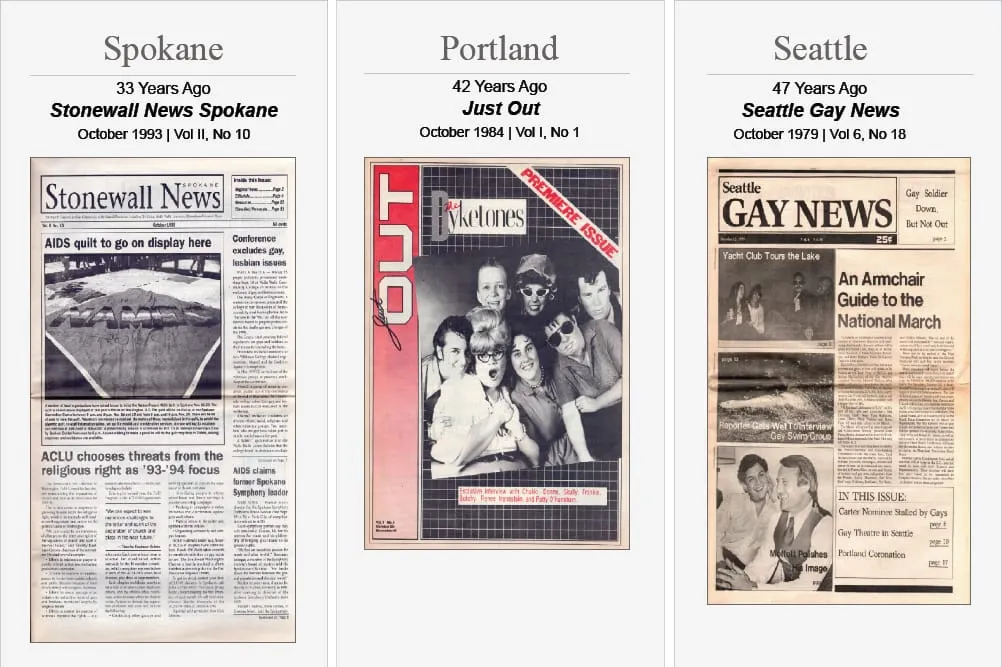
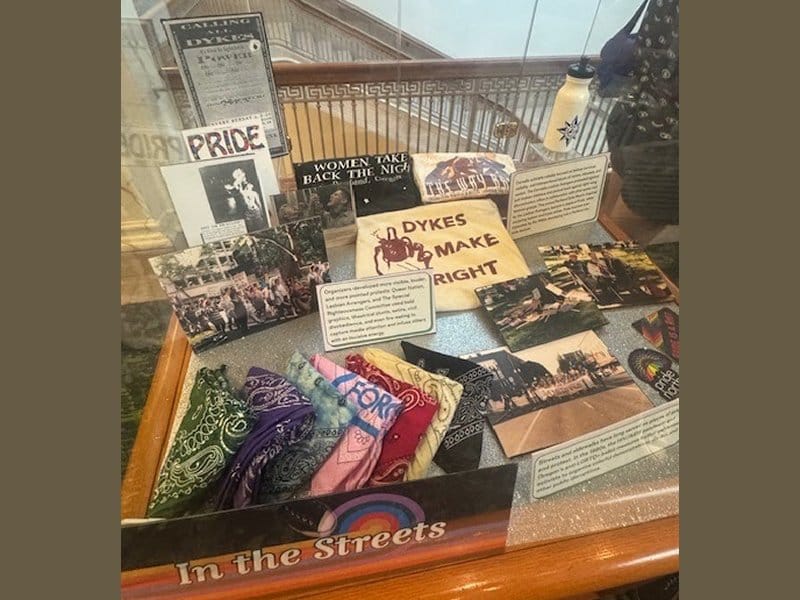
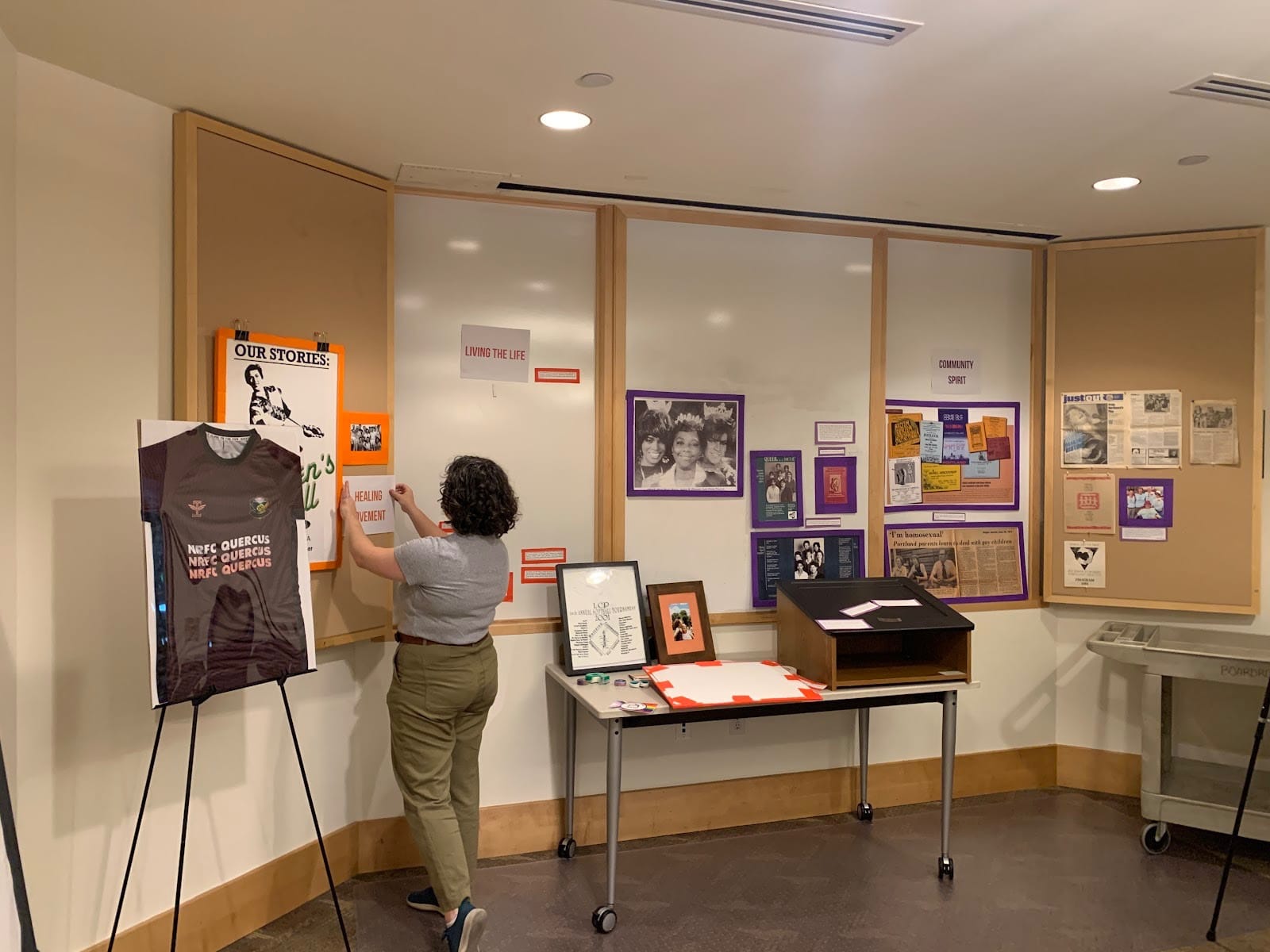
Queer archives actively collect personal letters, zines, flyers, photographs, oral histories, protest signs, and ephemera — materials that traditional institutions often ignore or discard.
“I think of the Lesbian Herstory Archives in New York using the moon cycle to organize some of their collections,” said McGrail.
Highlights
The collective has been around since 1994, when it was known as the Gay and Lesbian Archives of the Pacific Northwest; the more inclusive name change came in 2024.
Full of lore and emotions, it approaches storytelling in a different way. Much of the collection is composed of personal stories and documents, from all across the state. By bringing the private collections of Oregon’s LGBTQ+ community to the public eye, McGrail also gives people a chance to preserve their own histories.
Membership is open to all, and McGrail says that anyone is welcome to share their story.
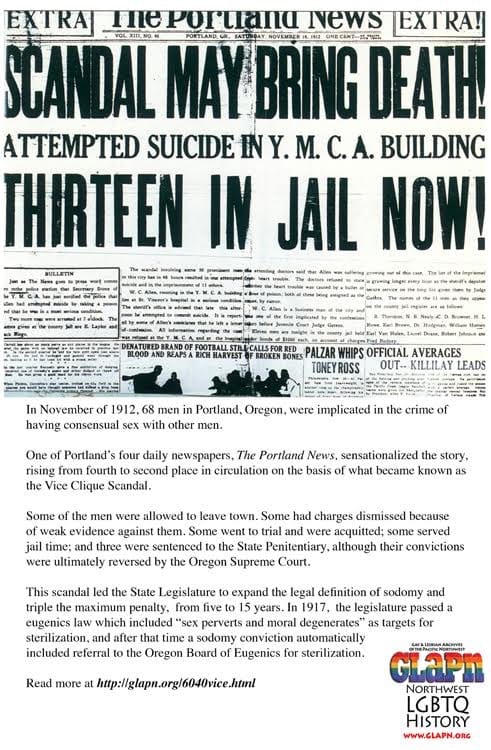
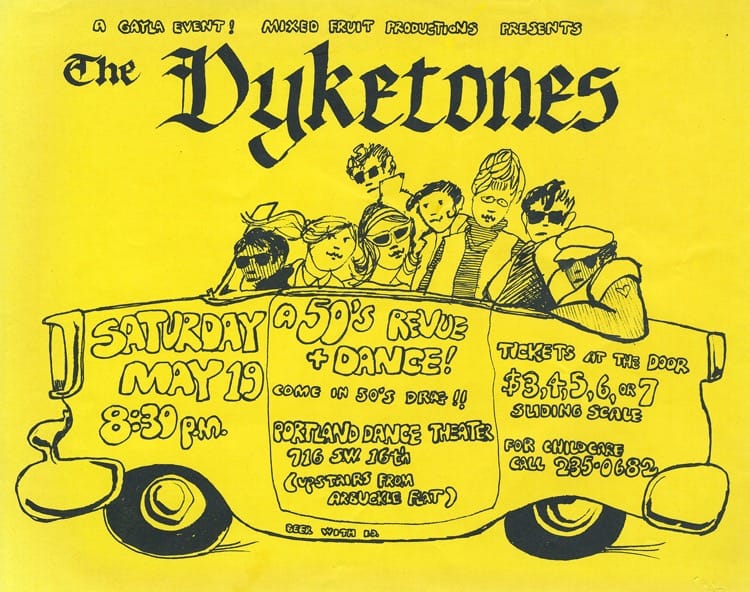
Some of the most prominent moments from Oregon’s Queer history are on display, from banners of anti-vice campaigns targeting Queer businesses to ads for a ’50s drag “gayla.” Other items of interest include journals and papers from Patrick Finneran, a Buddhist activist and generally prominent in Portland's Gay community; and those of women activists, including Nedra Bagley, who in the mid-’70s was elected to the board of Portland Town Council, one of the city’s earliest Gay rights groups and the first to include political activism in its charter.
Some other key moments from Queer history are on display, such as the Vice Clique Scandal (1912–13), which exposed a system of corruption in Portland in which police, politicians, and judges secretly allowed prostitution and gambling to operate in exchange for bribes. Rather than eliminating “immoral” activity, city leaders regulated it through protection schemes and selective enforcement, punishing vulnerable people while shielding those with money and power. The scandal revealed how morality laws were used as tools for profit and control, not justice, and led to firings, resignations, and a collapse of public trust. It remains a key example of how policing and politics can enable the very systems they claim to fight.
The collection also highlights 1992’s Ballot Measure 9, a proposed constitutional amendment backed by the Oregon Citizens Alliance, which sought to label homosexuality as “abnormal, wrong, unnatural, and perverse” and block any state or local protections for LGBTQ+ people. Its defeat marked a major turning point and sparked one of the first large-scale, statewide mobilizations of Queer activists and allies, strengthening grassroots organizing networks and demonstrating that such ballot initiatives could be successfully challenged at the polls. The campaign helped shape future LGBTQ+ political strategy and became a defining moment in the fight for civil rights in the 1990s.
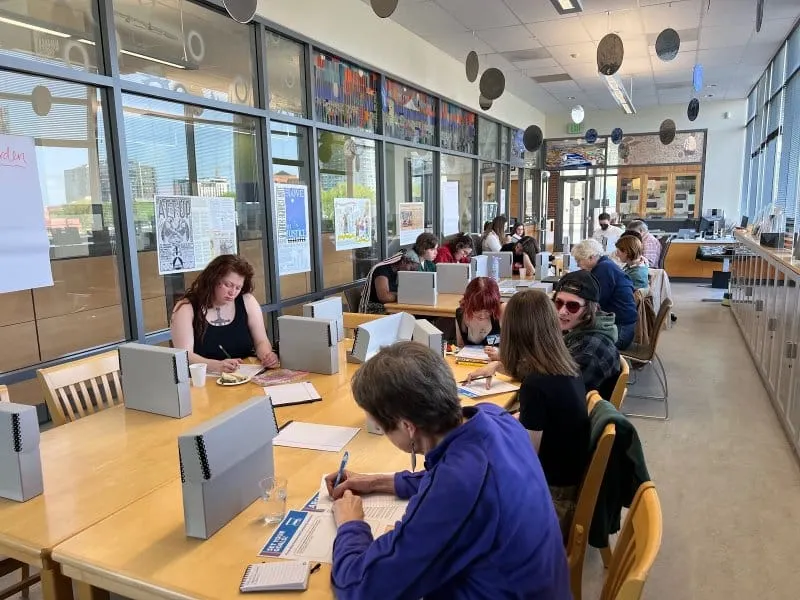
McGrail’s said that Collective also makes history interactive and part of daily life, from guest speaker events and presentations to community conversations and intergenerational lunches, where, fueled by prompts like “what is queer joy,” 88-year-olds are able to connect with 18-year-olds.
Besides monthly meetings, the Collective does most of its work through social media. With a promise to continue to uplift and document the stories of the LGBTQ+ community, it has active and updated social media accounts that welcome contributions.
The Queer History Collective is real. It showcases the genuine, if messy, history of people who have continually been silenced. It’s a reminder that life isn’t perfect, that the past isn’t black and white. But the only way we can encourage a future that is more truthful and genuine is to embrace those colorful moments.
“We want to all Oregonians to be inspired by our past,” said McGrail.
The Queer History Collective is mostly on display at the reference library at the Oregon Historical Society, 1200 SW Park Avenue, in Portland. Online resources include the following:
· Website: www.glapn.org
· Collections: www.glapn.org/5000collections.html
· Instagram: www.instagram.com/oregonqueerhistory/
· Facebook: www.facebook.com/oregonqueerhistory
For more information on the OHS, including library hours and admission fees for nonresidents of Multnomah County, visit the www.ohs.org.