
I considered running for office years ago, so I sat down and drafted a set of courageous, self-reflective questions—questions I felt I needed to answer honestly before moving forward. This wasn’t an academic exercise; it was born out of genuine concern.
At the time, I was disillusioned. A series of previous disappointing and even harmful encounters I’d had with elected and community leaders—some of whose actions made national headlines for all the wrong reasons—had shaken my confidence in our system and in myself and raised an uncomfortable question: How did these individuals ever get elected or rise to power?
Learning The Hard Way
Just after coming out in college, I was lonely and searching for connection—especially for gay role models. In my desperation, I made a very stupid mistake. I turned to the internet, a decision that quickly became disastrous. I began speaking with someone who told me he couldn’t reveal his identity due to his job. He seemed kind and wise at first. But that quickly turned.
The messages became inappropriate. Then they became threatening. And still, I didn’t turn the computer off but kept responding.
Eventually, I discovered who he really was: the closeted and conservative mayor of Spokane. This led to a series of unfortunate events that just turning off the computer could no longer solve or stop. It also led to a scandal that made national news, a documentary, and dominated the national conversation for a time. My roommate and I‘s home was surrounded by TV trucks. I was invited to appear on national news shows with Diane Sawyer and Katie Couric. I declined both.
The mayor was the subject of a recall vote which removed him from office.
During that period, another elected official reached out, offering support and introducing me to a respected lawyer they said was their “good friend” and a leader in the LGBTQ+ community. They claimed he would help guide me through the media storm and political fallout. Sadly, both individuals had ulterior motives. It was another painful and sobering lesson in the misuse of power.
One moment remains etched in my memory: that same lawyer—intoxicated—surprised me in a public setting, shoved me to the ground, and demanded that I follow his instructions and respect his authority. I did neither. Over the weeks that followed, he left drunk voice mails and sent angry texts which I left unanswered.
Years later, I was relieved to learn that the lawyer “leader” was arrested and prosecuted for unrelated crimes.
Before I’d turned 25, I’d had multiple experiences with the type of leaders I didn’t want to be. I was left to question what a good leader really looks like?
Building a Better Litmus Test
So when I considered stepping into a leadership role myself, I had to be brutally honest. I needed to know I wouldn’t become another cautionary tale. I needed to courageously look in the mirror and ask myself all the painful and hard questions. I needed to invite others to ask me the same.
These questions were shaped by more than a decade of working alongside public officials and leaders at the local, state, and national levels; by the insights I gained earning a master’s degree in leadership; serving in various leadership roles, and by the rigorous reflection developed through a three-year leadership fellowship with the Robert Wood Johnson Foundation. After a brief tenure in office myself, I revisited and revised the list—strengthening it with firsthand experience.
Since then, I’ve shared these questions with dozens of individuals who were thinking of running for office or serving in a leadership role. In the last few months alone, I’ve had meaningful conversations with more than a dozen prospective candidates. All of them, in one way or another, voiced a version of the same question I’ve wrestled with: "How could I possibly be good enough?" or "Who do I think I am to do this?"
These so-called “gate questions” don’t solve that dilemma—but they do help shape a meaningful and realistic response. They also serve as a baseline for competence, preparedness, and self-awareness in public service.
Honestly, I worry most about those seeking leadership who never wrestle with these questions and the threat they pose to those they desire to lead.
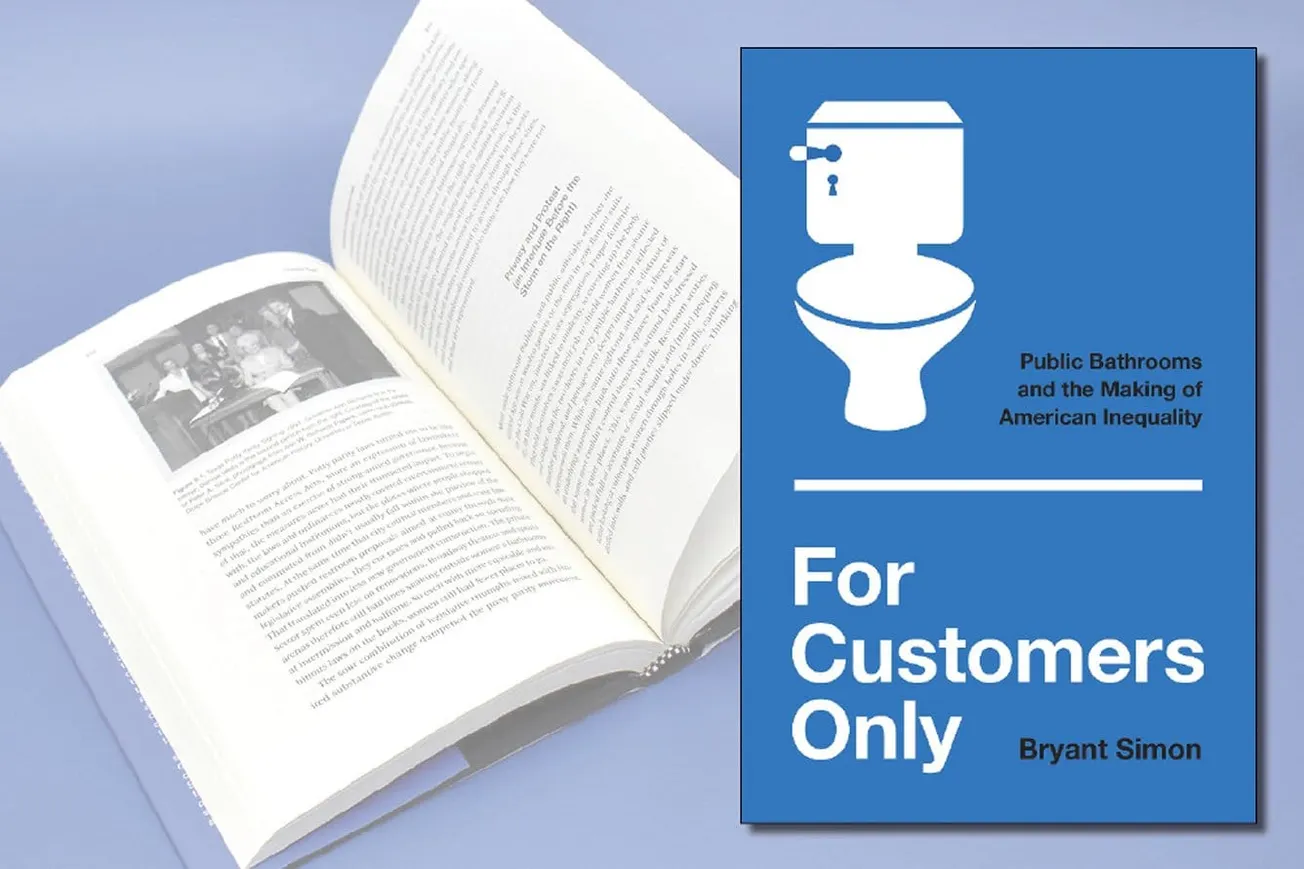
Every so often, I revisit these questions myself—especially when re-reading Cohn and Moran’s excellent book, Why Are We Bad at Picking Good Leaders? I recommend it to anyone considering public office—or any leadership role, for that matter.
Here are the current questions I use to assess my own readiness and that of others:
Ryan’s Public Service “Gate Questions”
If you answer no to any of the following, you may not be ready—yet.
- Have I been asked to serve?
A direct invitation often reflects community trust and insight into your potential. - Have I done my homework?
Do I fully understand the purpose, limits, responsibilities, and powers of the role I seek? - Is my own boat ship-shape?
Am I managing my personal, professional, and emotional affairs with integrity? - Do I have solid, constructive ideas for making something better?
- Can I stand strong in the face of personal attacks and criticism?
a. Can I respond calmly and professionally?
b. Can I stay mentally and physically healthy while under pressure?
c. Can I evaluate criticism fairly, rationally, and without defensiveness? - Can I actively listen without interrupting…
d. …even when I strongly disagree?
e. …to complex or nuanced perspectives?
f. …to constituents who simply need to be heard? - Can I maintain empathy for my city, community, and humanity—especially under stress?
- Can I tolerate not being liked and hearing negative things said about me…
g. …by friends?
h. …in the media?
i. …on social media? - Can I make difficult and unpopular decisions when I believe they’re right?
- Can I accept that doing the right thing may bring no reward—only consequences?
- Do I have the basic tools needed to do the job?
j. Professionally: Can I read a budget? Understand policy? Navigate bureaucracy?
k. Personally: Do I have a strong support system, hobbies, and internal motivation? - Can I handle disappointing others—even those I deeply respect?
- Have I identified something in this work that brings me joy and purpose?
- Can I remain humble and grounded, regardless of outcome or recognition?
- Can I make principled compromises to effect needed change?
- Is my family/support network supportive and prepared for the burden it will place on them?
- Finally, Do I need it? …if yes, it’s likely you’re not ready to serve.
Why This Matters Now
I don’t share these questions to discourage (although for some that’s absolutely necessary). I share them because I’ve seen what happens when people lead without asking them. Public service demands more than ambition or identity. It requires clarity of purpose, personal resilience, real skills, and a willingness to be shaped by challenge, not consumed by it.
We live in an era of collapsing trust. Voters are cynical. Institutions are fragile. And every day, another leader is exposed for lacking the character the job demands.
We don’t need perfect people. We need prepared people.
People who know who they are before they ask others to follow them.
People who have done the inner work.
People who lead from conviction, not ego.
These questions won’t make you perfect. But they might make you honest. And in public service and leadership, that’s everything. These questions help me measure readiness while holding myself accountable, and they’ve helped others clarify their “why.” They’ve made me a better leader, listener, and neighbor.
What Would You Add?
Public service isn’t about perfection. But it should be rooted in preparation. What questions would you add to this list?
Let’s build a better bench of leaders—starting with better questions.