Why 2026 is Forcing Us to Choose Who We Really Are
Like so many others, I held my breath as I watched hockey star, Scott Hunter, risk everything to courageously invite the love of his life onto the ice after his victory in Heated Rivalry. I definitely was feeling that heat.
We love stories about courage because they make bravery feel clean and contained. Real life isn’t like that. There’s no soundtrack. No narrator. And often no reward. In 2026, courage looks less like a moment and more like a choice we have to make over and over again.
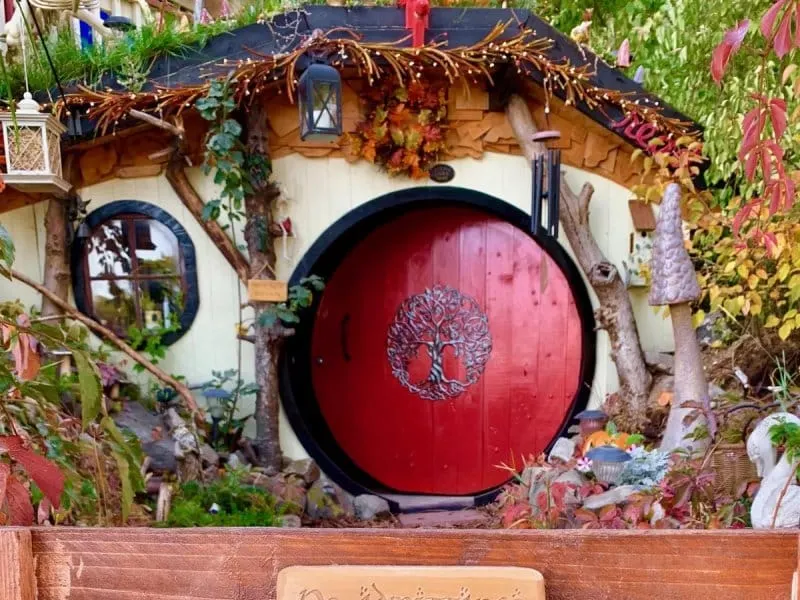
When I think about courage, my mind drifts to some of my favorite fictional heroes: Bilbo Baggins, a small Hobbit who stepped beyond his round green door into danger and uncertainty; Katniss Everdeen, who stood up to an oppressive system armed with little more than resolve and a stubborn moral compass; or like Scott Hunter who risked his career and public approval to live honestly and love openly.
These stories move us because they remind us what’s possible when fear doesn’t get the final word. But these characters are fictional. What does it look like in real life in 2026?
When Courage Costs Too Much
Real life doesn’t come with scripts, acts, or applause. Real courage is often quieter. Messier. Less celebrated. And sometimes far more costly.
This year, the people of Minnesota have shown us what that kind of courage looks like.
Neighbors helping neighbors. Strangers helping strangers. People standing shoulder to shoulder in sub-zero cold—not for politics, but for humanity. Standing against cruelty, intimidation, and violence. Some have paid the highest price for doing so.
In early January, Renée Nicole Good, a 37-year-old mother of three, was fatally shot by a federal immigration enforcement officer in Minneapolis shortly after dropping her six-year-old off at school. Her final words—spoken calmly, even kindly—were, “That’s fine, dude. I’m not mad at you.”
Just weeks later, Alex Jeffrey Pretti, a registered ICU nurse and veteran’s care provider, was executed on the street by federal immigration agents.
Both were American citizens. Both deaths shook their community—and our country—to its core.
What struck me most was not just the outrage that followed, but the response. Ordinary people showed up. They marched in freezing winds not because they enjoy confrontation, but because they refused to let these lives fade into silence. We gathered to name them. To mourn them. To insist they mattered.
We stood not only for Renée and Alex—but for every unseen, unheard person pushed to the margins.
This is courage that doesn’t wear a cape.
This is courage that arrives holding another person’s hand.
So What Does Courage Look Like Now?
In real life. In 2026.
It looks like refusing to let injustice go unchallenged.
It looks like showing up to vigils, conversations, and protests to protect our shared humanity.
It looks like choosing compassion and speaking up even when fear tells us to stay quiet and safe.
At this pivotal moment, we’re all being asked to look in the mirror and answer an uncomfortable question:
What does courage look like for me?
I’ve been asking myself that a lot.
Learning From My Own Failures
I’ve reflected on moments when I managed to summon courage—and moments when I fell painfully short. I’ve also learned that sometimes courage isn’t optional. The storm is coming either way. Whether we stand tall or curl up, the only real choice is how we meet it.
While watching Heated Rivalry with friends, when Scott Hunter comes out publicly and embraces his boyfriend on the ice, it stirred something uncomfortable in me, because my own coming-out story was far less courageous. I didn’t step boldly onto the ice—I inched out, carefully. I denied and deflected even when it hurt others.
As a teenager, I exchanged excited emails with a boy in another rural town I had a huge crush on. I was too scared to use my real name, so I gave him my middle name—which also happened to be my father’s first name. When he decided to take our romance offline and courageously send me a handwritten love letter, complete with a stamp and a squirt of cologne, it arrived addressed to my very confused father.
I should have stood up and said the letter was meant for me.
I should have protected him.
I should have chosen courage.
I didn’t.
That boy was outed to his parents. I never heard from him again. I was terrified and heartbroken—and I’ve had to live with that ever since. There are consequences to cowardice.
Choosing Courage When It Hurts
There have also been moments when I chose courage knowing it would cost me—when doing the right thing promised no reward beyond being able to face myself in the mirror.
On one such occasion, I witnessed illegal actions at an organization I worked with. It became clear that unless someone spoke up, young people would continue to be put in harm’s way. I was ignored. Then warned. Repeatedly told to stay quiet.
Instead, I documented everything. I double-checked my facts. I made a plan. And I spoke up.
The organization was shut down.
I lost my job.
I lost future opportunities.
I lost relationships.
I’m here to tell you unequivocally: it was painful—and it was worth it.
The Storms We Don’t Choose
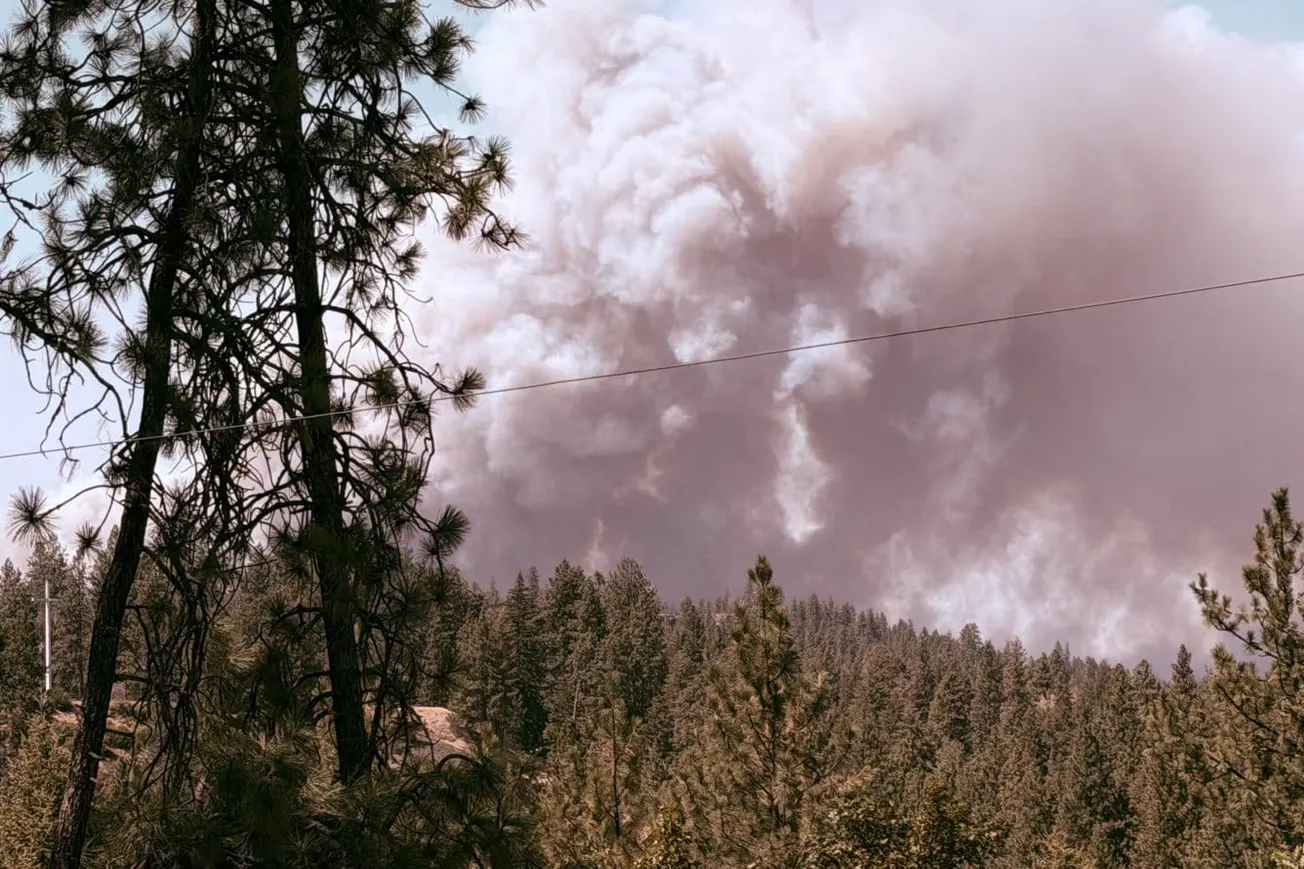
Some courage is forced on us. Storms we never asked for but must still face.
When I was diagnosed with epilepsy, my life changed dramatically. I was discharged from the military. I faced seizures and daily medications with brutal side effects. Disability was presented as the obvious path. I was devastated and scared. I couldn’t choose the diagnosis—but I could choose my response. I chose to stand. I took a deep breath, and went to work for the Epilepsy Foundation. I learned everything I could. I built relationships with neurologists and pharmacists. I fought to regain control.
Late last year, I was diagnosed with cancer.
I don’t get to vote on this storm either. But once again, I get to choose whether I face it standing or lying down. I choose to stand. I purchased a “Battling Cancer. Still Sexy.” t-shirt, and I’m grateful my prognosis so far is promising.
Not All Courage Looks the Same
We can’t all be Superman or Wonder Woman. We often can’t choose the storms we face. And courage isn’t one-size-fits-all. If you think you’re not courageous, you may just be measuring yourself by the wrong standard.
Authors Jennifer Armstrong and Lisa Dungate identify six types of courage:
- Physical: Acting despite fear of physical harm or pain
- Social: Risking rejection or loss of status to do the right thing
- Moral: Standing up for convictions, ethics, and justice
- Emotional: Allowing vulnerability and the full range of feelings
- Intellectual: Being willing to learn, unlearn, and challenge beliefs
- Spiritual: Seeking meaning, purpose, and inner peace
Not all of us will show physical courage. But moral courage, emotional courage, spiritual courage—especially social courage—are desperately needed right now.
So I’ll ask again:
Which courage type are you choosing?
Courage isn’t just what shows up in headlines.
It lives in quiet choices.
In small acts of solidarity.
In facing our own fears and insecurities.
In standing with others when retreat would be easier.
The storm is already here. History will not remember what we said we believed or our private opinions. It will remember what we were willing to stand up for when it mattered.
So stand.
Even if your voice shakes.
Even if it costs you.
Even if you’re scared.
Stand.
Because the cost of courage is high.
But the cost of cowardice is everything.