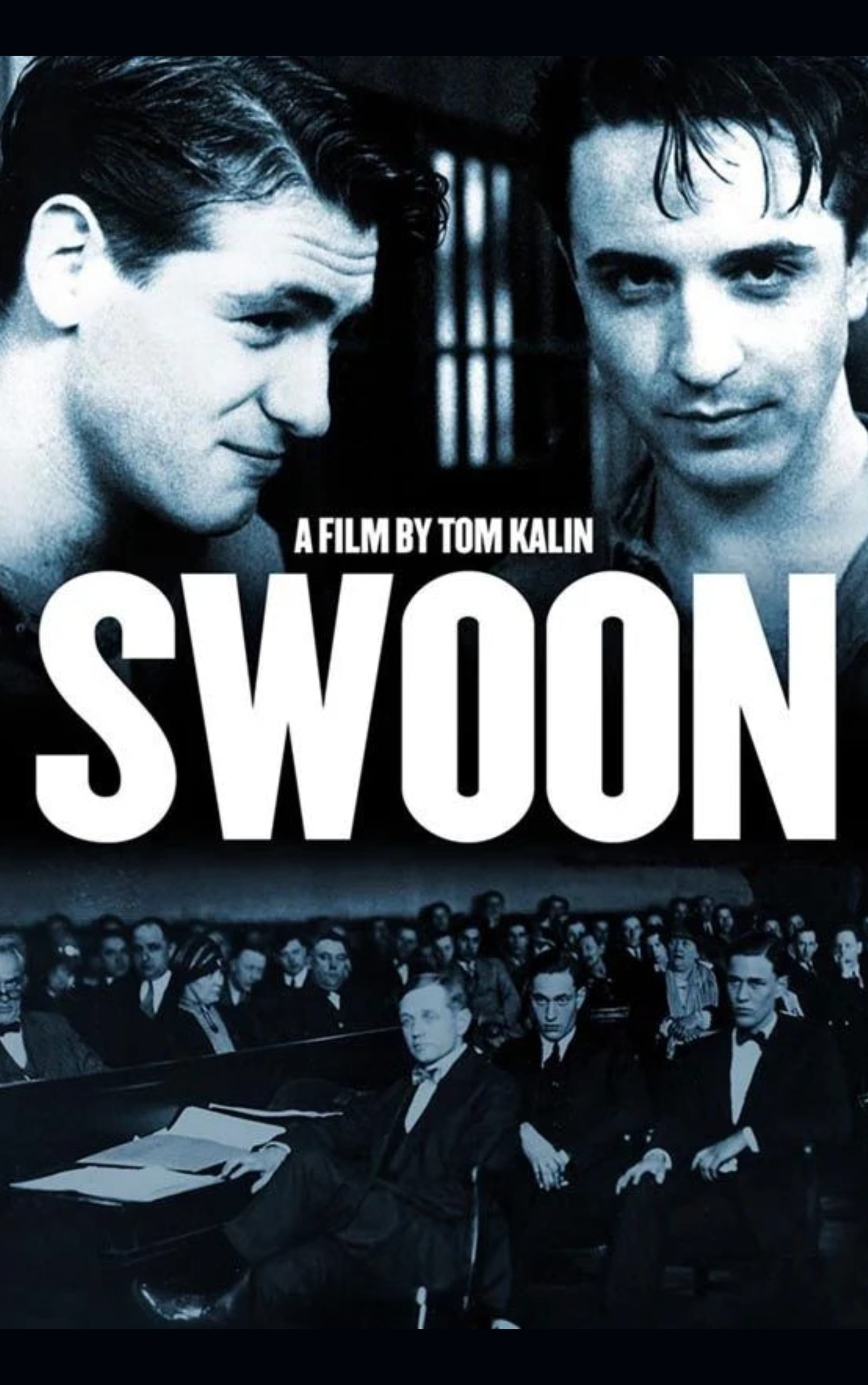
Some films do more than tell a story — they challenge you to think and look closely. Tom Kalin’s Swoon is one of those. Released in 1992, it explores one of the most famous murder cases in American history with a boldness that still feels powerful more than 30 years later.
Swoon dramatizes the 1924 Leopold and Loeb case. Nathan Leopold Jr. and Richard Loeb were wealthy, brilliant young men from Chicago who had a taste for petty crime. Their partnership took a horrifying turn when they set out to prove they could commit the perfect murder. The victim was a boy named Bobby Franks.
The plot follows the pair from their thrill-seeking days through Bobby’s kidnapping, the unraveling of their scheme, and the sensational trial that captivated the nation. What sets Swoon apart from earlier films inspired by the same case, like Rope and Compulsion, is its refusal to hide their Queer relationship. Kalin places their intimacy front and center, exploring how desire, control, and vanity intertwined with the crime itself.
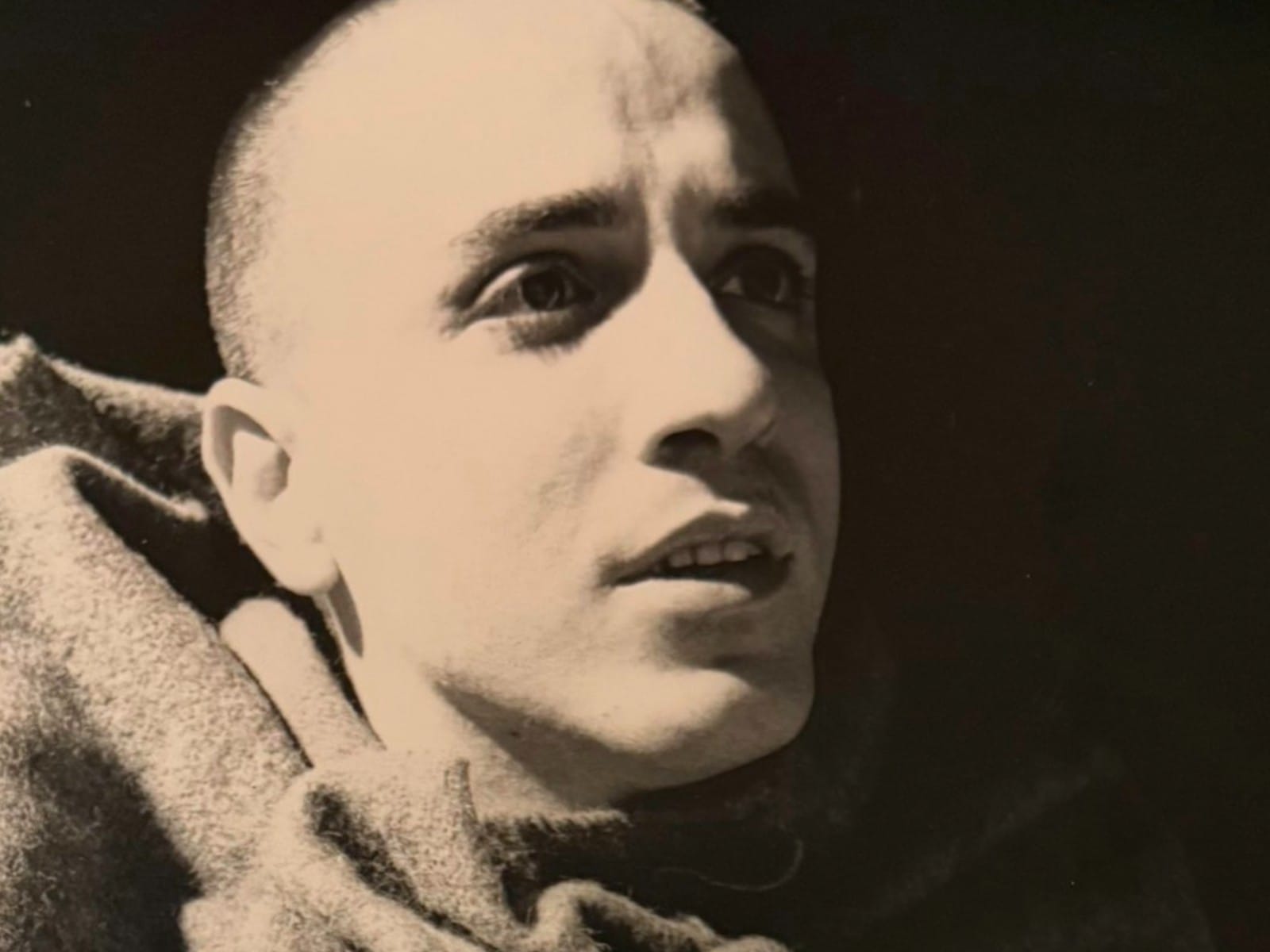
Craig Chester’s performance anchors the whole picture. He plays Leopold as intelligent yet fragile, a young man caught between obsession and fear. Chester earned an Independent Spirit Award nomination for Best Male Lead, and it’s easy to see why. He makes Leopold’s inner turmoil feel painfully real.
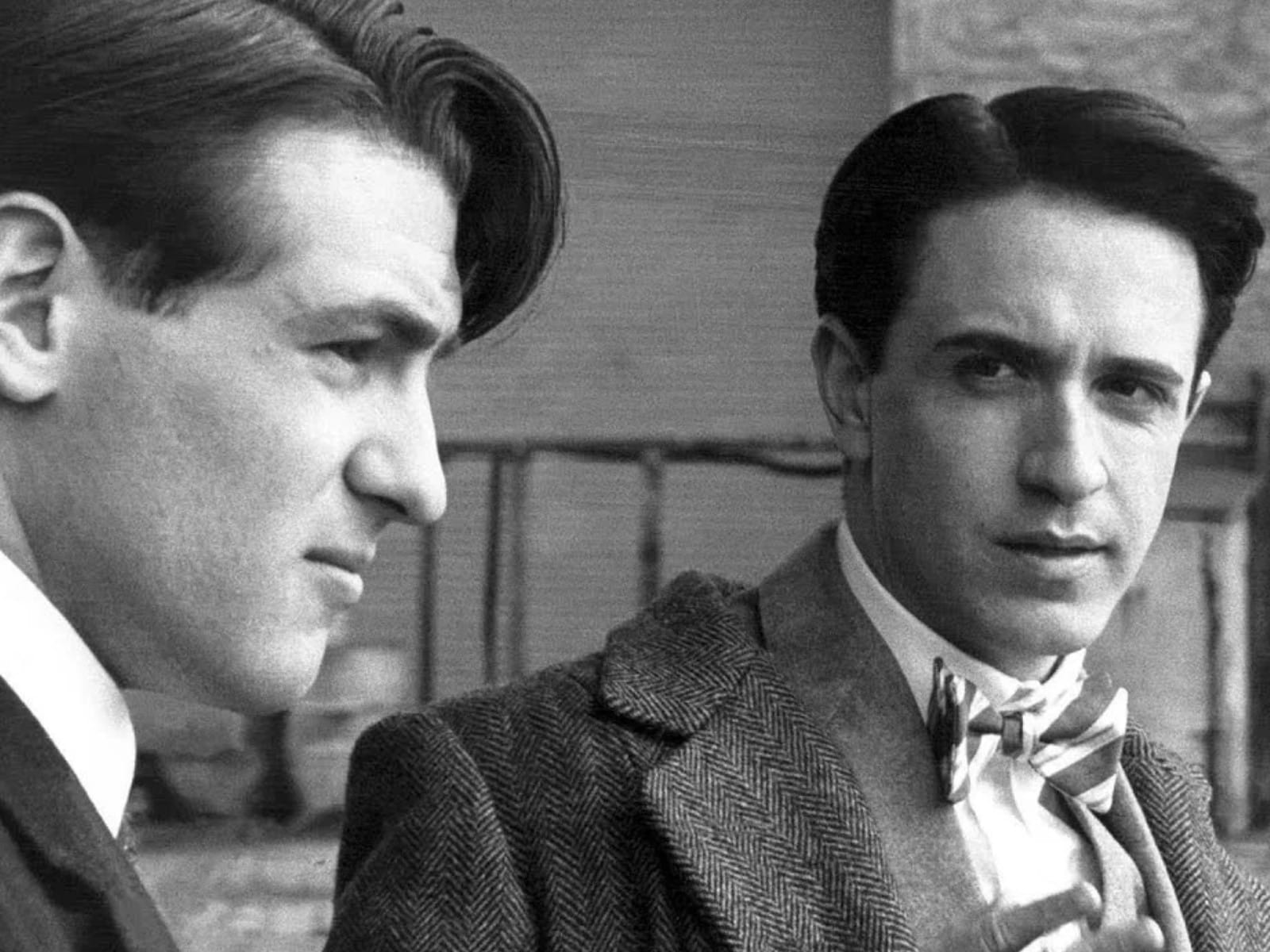
Opposite him, Daniel Schlachet portrays Loeb the manipulator with cool, unsettling charm, the one who seems to enjoy the power he holds over his partner. The chemistry between the two actors gives the film its dangerous pulse.
The supporting cast rounds things out with skill. Ron Vawter appears as State’s Attorney Crowe, Michael Kirby plays Detective Savage, and Michael Stumm takes on the role of Dr. Bowman. Each brings weight to the courtroom and investigation scenes that shape the story’s second half.
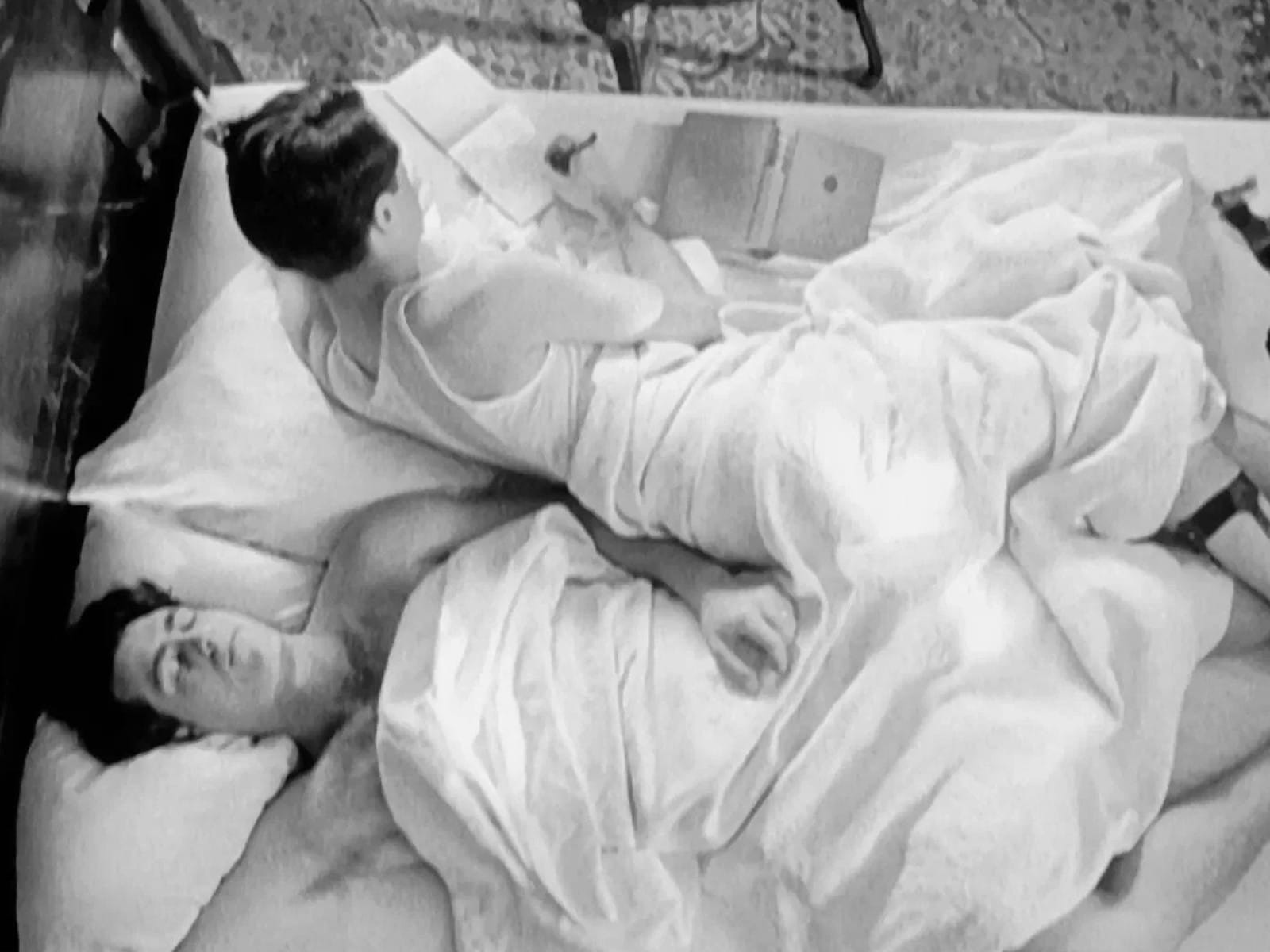
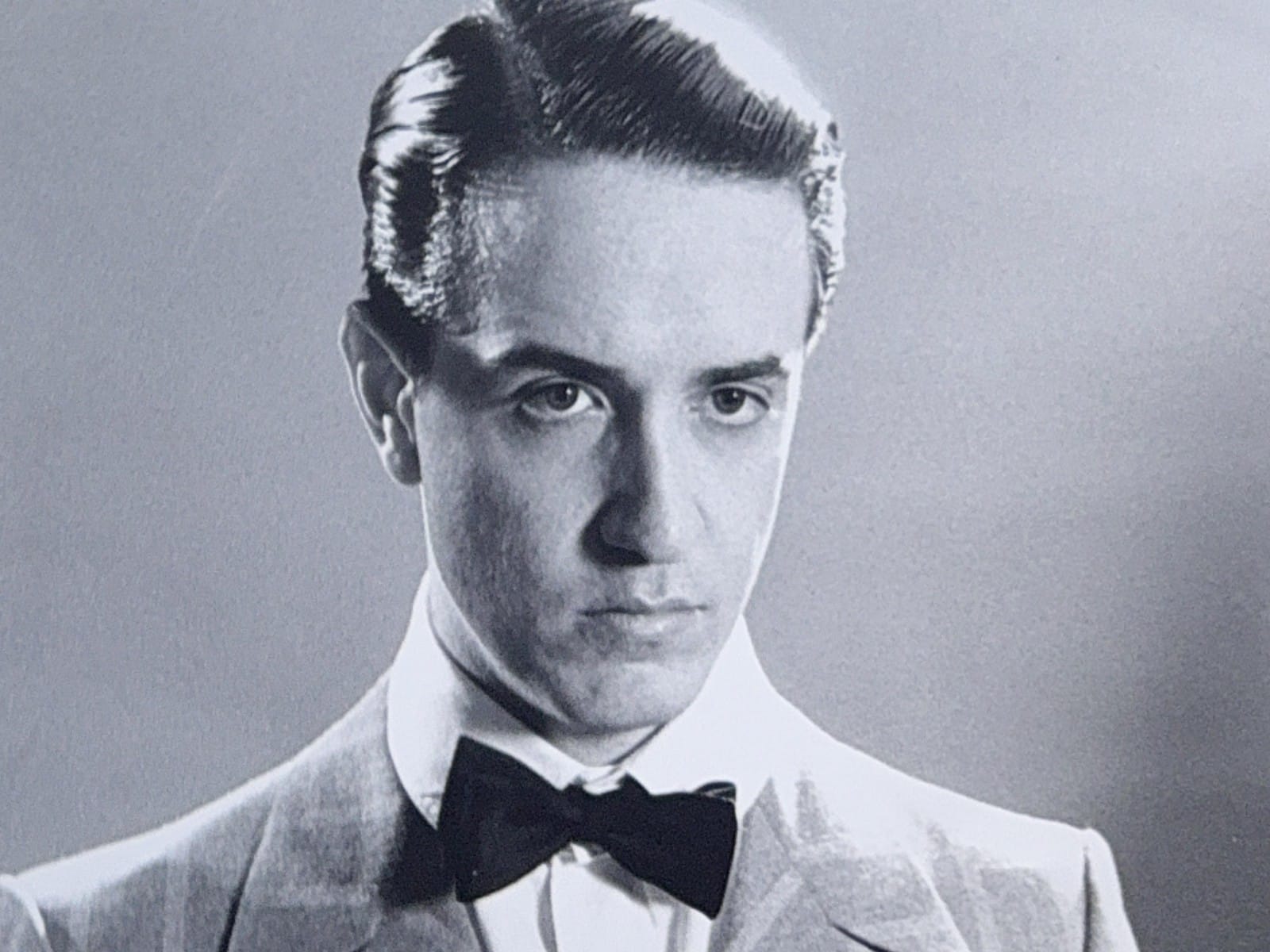
Swoon marked Kalin’s feature directorial debut, and it announced a fearless new voice. Kalin, who also wrote and edited the film, grew up in Chicago near the crime scene. That personal connection shows in every frame. He treats the material not as a simple true-crime retelling but as a meditation on identity, prejudice, and the way society viewed Queer lives in the 1920s.
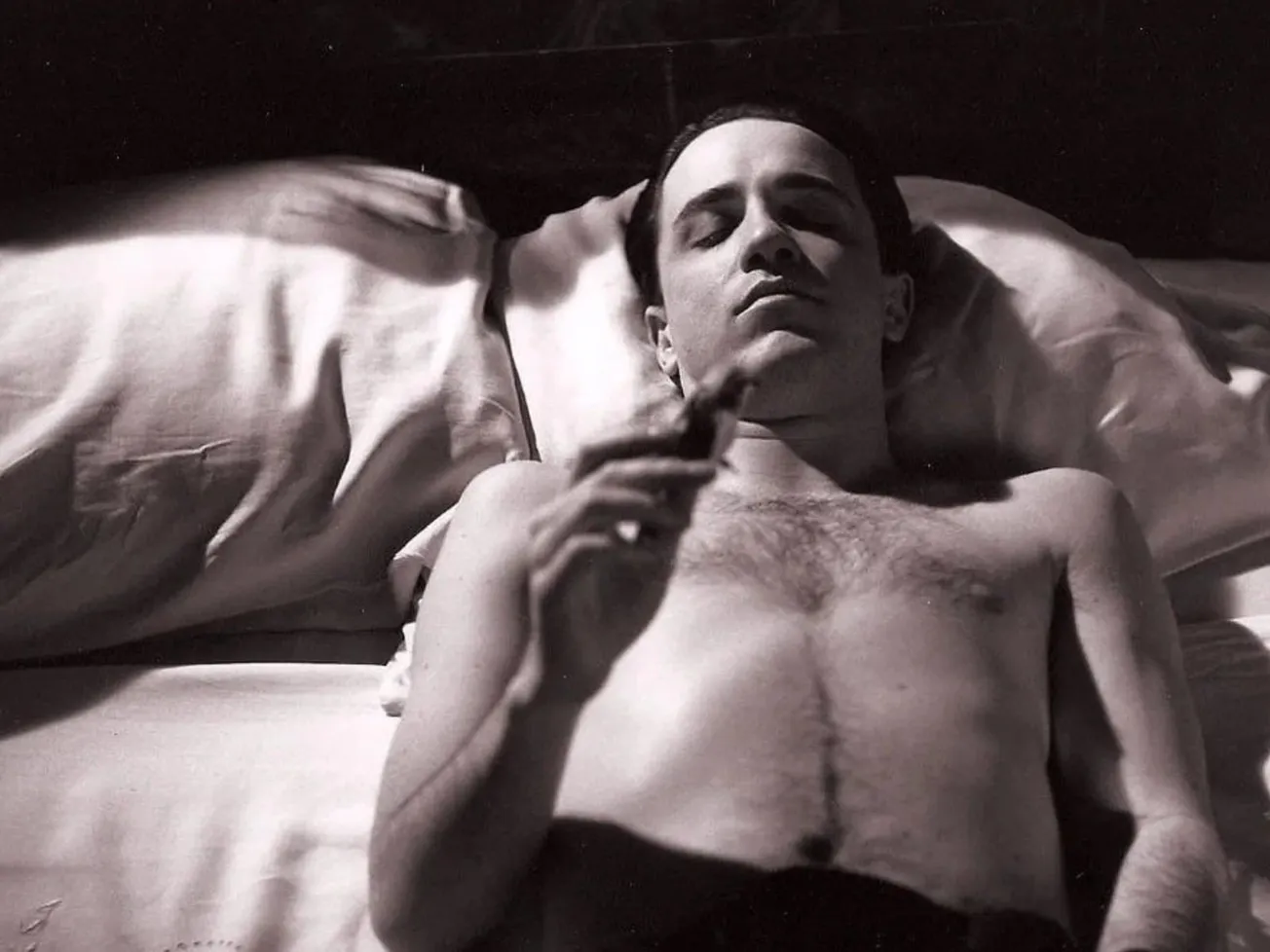
If one element of Swoon lingers long after the credits roll, it’s the cinematography. Ellen Kuras shot it in gorgeous black-and-white 16mm, and her work is nothing short of stunning. Every shadow, every gleam of light feels deliberate. The images carry the polish of high fashion photography, yet they never lose their emotional grip.
She won the Cinematography Award at the 1992 Sundance Film Festival for her work here, and the honor was well deserved. She turns a small, low-budget independent production into a visual feast. The contrast between the beauty on screen and the ugliness of the crime creates a tension you can feel in your bones. This is filmmaking where the camera itself becomes a storyteller.
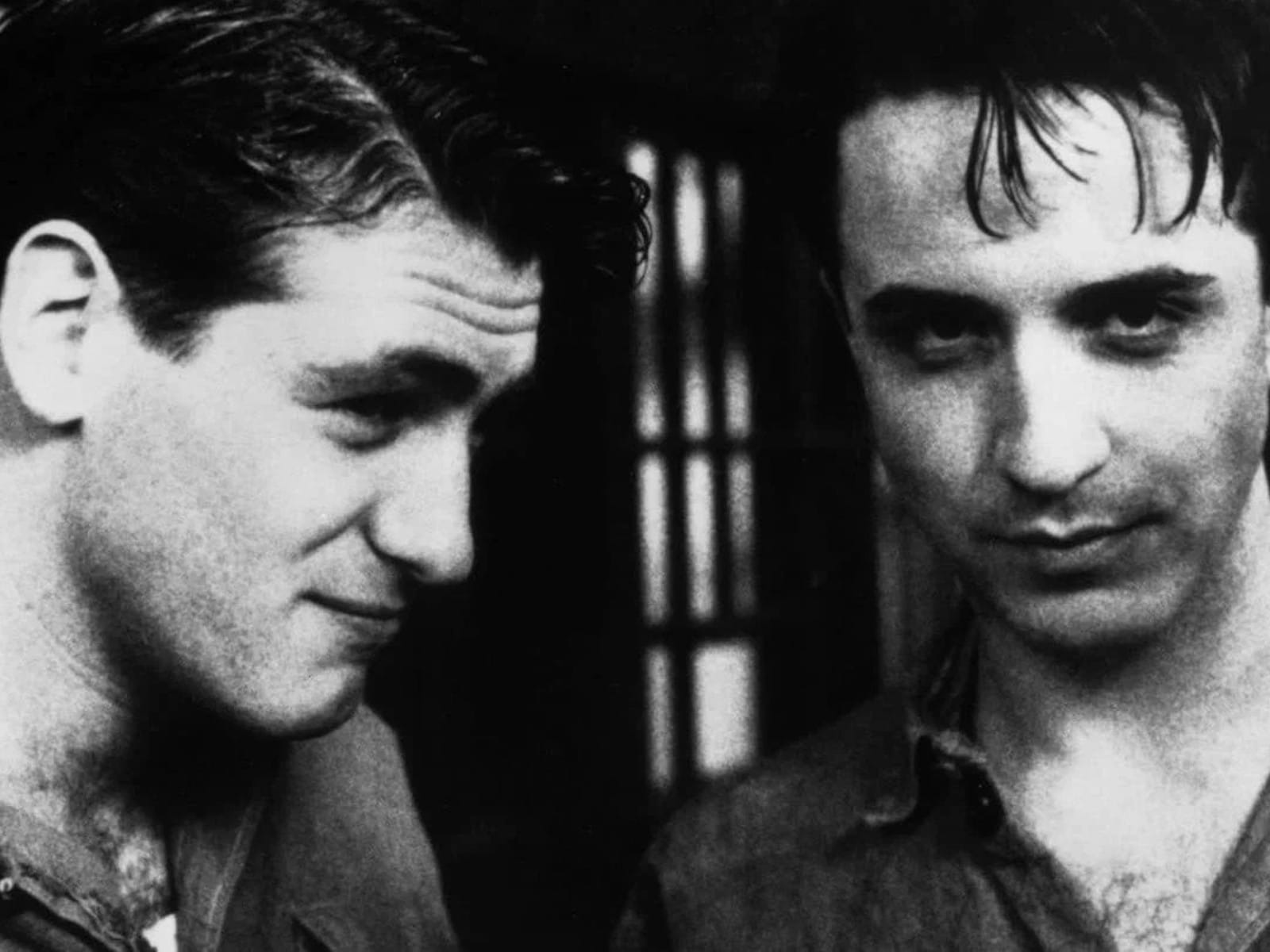
Swoon arrived during a groundbreaking moment in movie history. Alongside works like Poison and The Living End, it helped define the New Queer Cinema movement of the early 1990s. These works, made by openly Gay filmmakers, refused to soften or apologize for their subjects.
Swoon racked up honors well beyond Sundance. It won two awards at the Berlin
International Film Festival, took prizes at the Stockholm International Film Festival, and earned four Independent Spirit Award nominations. Its reputation has only grown with time.
Over 30 years after Swoon first captivated audiences, I had the chance to correspond with Craig Chester via email to discuss his role and the film. I had many questions, but I ultimately had to limit myself to just seven for publication. Here’s our conversation.
Frank Gaimari: Swoon was your breakout role. What drew you to the character of Nathan Leopold Jr., and did anything about him scare you?
Craig Chester: I got the role of Swoon from a casting call I saw in Backstage Magazine. I was 24, had no agent, and was submitting my headshots to anything I thought I was right for. I had only done a few NYU short films — that was it. When I arrived at the open call, many actors were waiting to go in, and strangely enough, the first person I met was Dan Schlachet, who would later be cast opposite me as Richard Loeb.
To prepare, I read Nathan Leopold’s autobiography, Life Plus Ninety-Nine Years, as well as a book called Crime of the Century. I studied photos of Nathan — how he held his cigarette and the flat affect in his expression — and that really helped me find his character. I wasn’t scared of Nathan himself, but when I saw the movie for the first time at Sundance, the scene where we murder 12-year-old Bobby Franks was really disturbing. Since shooting is in bits and pieces, seeing it all cut together made me realize what Nathan and Richard had actually done — that was scary.
FG: Playing a real person who committed such a terrible crime is a huge challenge. How did you prepare to step into Leopold's mind without judging him?
CC: I always have to find the humanity in the character I’m playing. I’m not impressed when I see actors — or writers — judging their characters, using them because they have an ax to grind or are trying to make a point. To me, that’s bad acting and writing. You can’t judge your characters; the second you do, you dehumanize them and shut yourself off from trying to understand why they do what they do. People do things for a reason, and an artist’s job is to find out what that reason is.
FG: What was it like collaborating with Tom Kalin, a first-time director who had such a clear and daring vision?
CC: Tom had a background as a visual artist, but he had also studied acting, so he understands the process that actors go through. Not many directors have that kind of empathy; it was always present in how he interacted with me. He had Dan and me do acting exercises during rehearsals — things like making us wrestle. Dan was built like a football player, and I was this little twig, and it was a smart move on Tom's part, because it helped cement the power dynamic between us that you see in the film. He was very smart and intuitive that way.
He also had an extensive, almost encyclopedic grasp of the material — Leopold and Loeb were a magnificent obsession — and that, more than anything, is what made the movie so good. It was his vision, like you said. Even though it was his first movie — and our first — I trusted him. You need to trust your director in order to allow yourself to be vulnerable in front of them. It’s a very intimate process, and Tom created that environment.
FG: The portrayal of the relationship between Leopold and Loeb is central to the film. During filming, did you personally feel a genuine connection with Daniel Schlachet, or were the intimate scenes purely performative?
CC: Dan and I really liked each other right away. We hung out a lot, got drunk together, and did things like that. Dan is straight, and I’m Gay, so there’s this inherent difference between us. He’s a cool straight guy, but even so, there was a kind of tension, and tension can be erotic. We drank beers on set before our bedroom scenes to relax. I was always a bit worried, hoping he felt comfortable and okay rolling around with me, kissing me. But underneath it all, there was a genuine connection between us.
I had a boyfriend at the time that I lived with, and I think he was a bit jealous. I was maybe falling in love with Dan or unconsciously letting myself fall in love with him for the role. Sometimes, when you work on something, it takes you over. That was my experience with Swoon. You give yourself over to the experience and to other people sharing it with you. When the movie came out, we traveled together, went to Berlin, and shared a hotel room. When it was over, we just became good buddies. And now, for the rest of our lives, we have this movie — this thing that will outlive us — and that creates a unique kind of bond that’s hard to describe.
FG: Ellen Kuras's black-and-white cinematography is breathtaking. How did working within those carefully composed images change the way you performed?
CC: Ellen Kuras is a genius! She helped me so much, because Swoon was my first movie, and I was intimidated by the camera. But knowing that Ellen was behind it, I just played to her, not the camera — she was the “audience” in my mind. She's such a warm and beautiful human being, and that helped.
Ellen had a documentary background, so she would often film Dan and me between setups — hanging out, smoking on set. There are a lot of shots in the movie that were taken when I didn’t realize I was being filmed. She made the whole process easy. We shot this on a shoestring budget, and in 1990, there was no “video village” where you could see playback of what you’d just done, so I wasn’t really aware of how gorgeous her work was until I saw it later.
FG: Swoon is now seen as a cornerstone of New Queer Cinema. Did you sense at the time that you were part of something historic?
CC: I knew that I was part of a movement that was political and important, and that Swoon captured the zeitgeist of that Queer moment — like how Heated Rivalry is viewed today. There was so much press around the movie: I was featured in Interview, Us Weekly, and Rolling Stone — everywhere. The movie poster was plastered all over New York.
I think we knew we were part of something bigger than ourselves, and I understood that New Queer Cinema was making history. But you never know when you make a movie if it will stand the test of time or survive, even if it’s well-received. Swoon most definitely has, more than most of the other films that defined New Queer Cinema — partly because of how good it is, but also because it’s a period piece shot in black-and-white, which gives it a timeless quality.
FG: How has your relationship with this film changed over the years, and what do you hope new viewers take away from it today?
CC: I saw it on the big screen at the Paris Theater in New York City last year, expecting to watch it objectively, from the point of view of a 60-year-old man with some distance. But none of that happened. I still squirmed in my seat over line readings of mine that bugged me when I was 25. I still felt embarrassed in the theater watching myself cry in prison — the way I did back in 1992. I even remembered how it was my birthday the day we shot the murder scene, as if it were yesterday.
I hope the movie inspires other young Queer people to think outside the box given to them, and that it encourages Queer artists to create their own Swoon — to take risks and not play it safe.
Few films from the early 1990s have aged as well as Swoon. It remains a film full of contrasts: beautiful but brutal, historical yet still relevant, cold in its subject but deeply human in its curiosity. Tom Kalin, Ellen Kuras, and a brave cast led by Craig Chester created something that continues to feel powerful. More than just telling a famous crime story, Swoon is a reminder of how far movies can go and how much they can reveal when artists are willing to face the truth.
Swoon is available on all streaming platforms, including Amazon.