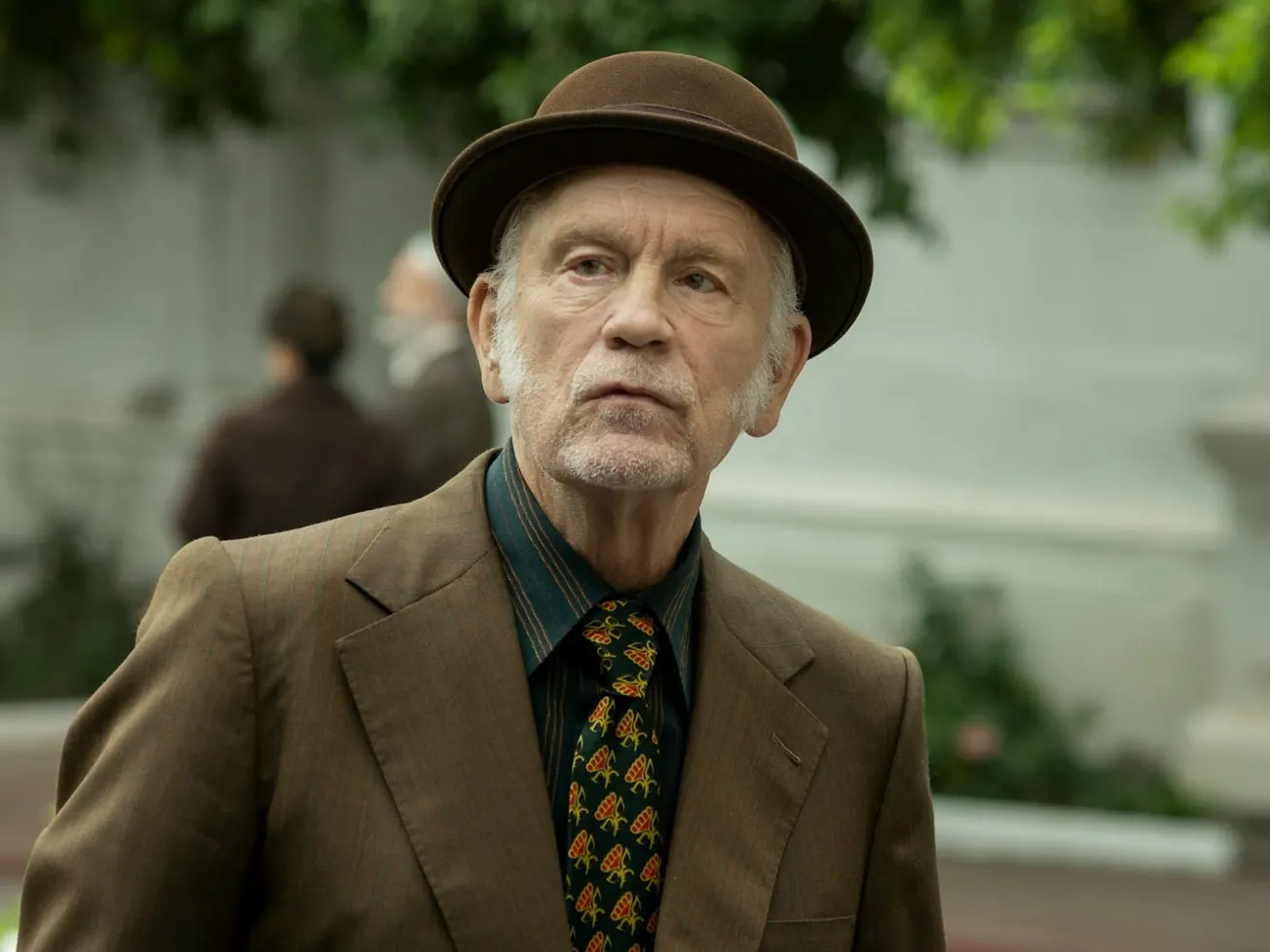

Sixteen years after winning an Oscar for writing The Social Network, Sorkin returns as writer and director with The Social Reckoning. The earlier film was about how the company was built. This one is about what the company became and what it chose to hide.
The story follows Frances Haugen, played by Mikey Madison, a young engineer inside Facebook who grows uneasy with what she sees. The company’s own research points to real harm, while its public statements say otherwise. Haugen decides she can’t stay quiet. She contacts Jeff Horwitz, a Wall Street Journal reporter played by Jeremy Allen White, and the two begin a careful, nerve-racking partnership to bring the company’s internal documents to light. Their work became the basis for the Journal’s series “The Facebook Files.”
Sorkin runs a second storyline alongside theirs. It follows Mark Zuckerberg as the investigation gathers force and he prepares to answer for what his company knew. Moving between the whistleblower and the man at the top gives the film a steady sense of pressure. Each side is racing toward the same moment, and you feel it coming.

Jeremy Strong takes on Zuckerberg, a role that earned Jesse Eisenberg an Oscar nomination. Strong wisely doesn’t imitate that performance. His Zuckerberg is calm, guarded and almost eerily controlled. The portrayal is jarring at first, but it settles into something unsettling and believable: a man so certain of his own reasoning that he can’t see past it. Strong, known for disappearing into his roles, gives the film its coldest edge.

Madison is the film’s center, and she is excellent. She plays Haugen not as a fearless hero but as an ordinary person who is frightened and acts anyway. Her restraint makes the stakes feel personal. White matches her well as Horwitz, bringing a restless energy that suits a reporter who knows he’s onto something big. Their scenes together are built on trust slowly earned, and they carry much of the film’s tension.
The supporting cast is strong throughout. Wunmi Mosaku brings quiet authority, Betty Gilpin adds sharpness, and Billy Magnussen captures the smooth confidence of corporate life. Bill Burr is a pleasant surprise, offering some blunt humor without breaking the mood.
What gives The Social Reckoning its weight is that the story is true. In 2021, Haugen left Facebook with tens of thousands of pages of internal documents. They showed that the company’s own researchers had found that Instagram could worsen body image problems for some teenage girls, that changes to the news feed rewarded angry and divisive posts, and that high-profile users were often held to different rules. Haugen later revealed her identity on national television and testified before the U.S. Senate, arguing that the company had repeatedly put profit ahead of safety. Weeks later, Facebook renamed its parent company Meta.
Sorkin treats these facts with care. When the film lays out what the company knew, it doesn’t need dramatic flourishes. The information is unsettling on its own.
That is why the film is worth seeing. Billions of people use these platforms every day, often without thinking about how they’re designed or why. The Social Reckoning makes the machinery visible. It shows how decisions made behind closed doors shape what people see, feel and believe, and it does so in a way anyone can follow, with no technical background required.
It isn’t a perfect film, but it’s an important one. Go for the performances, and leave with a clearer understanding of the screens in your pocket.