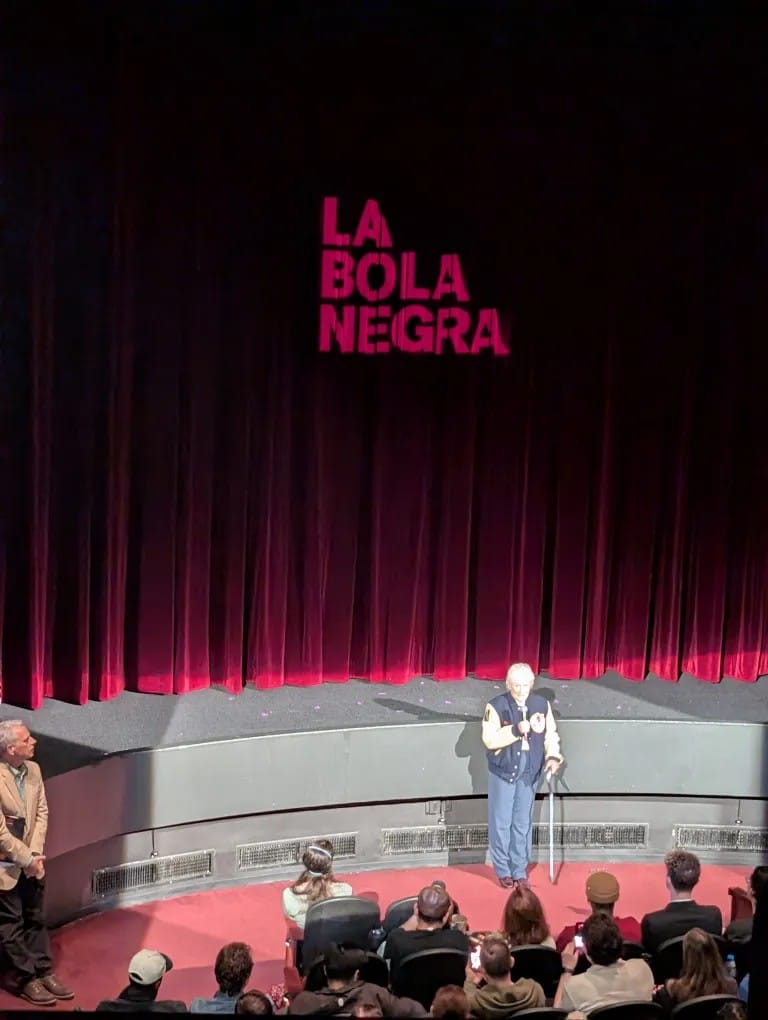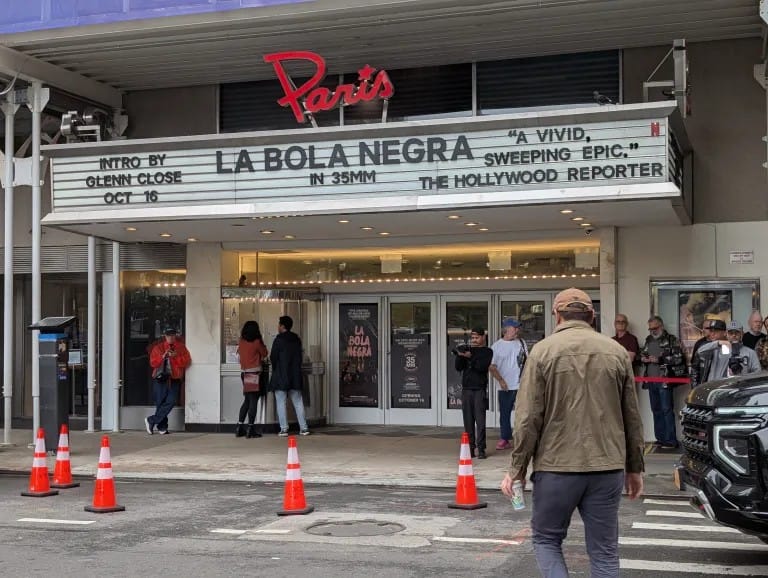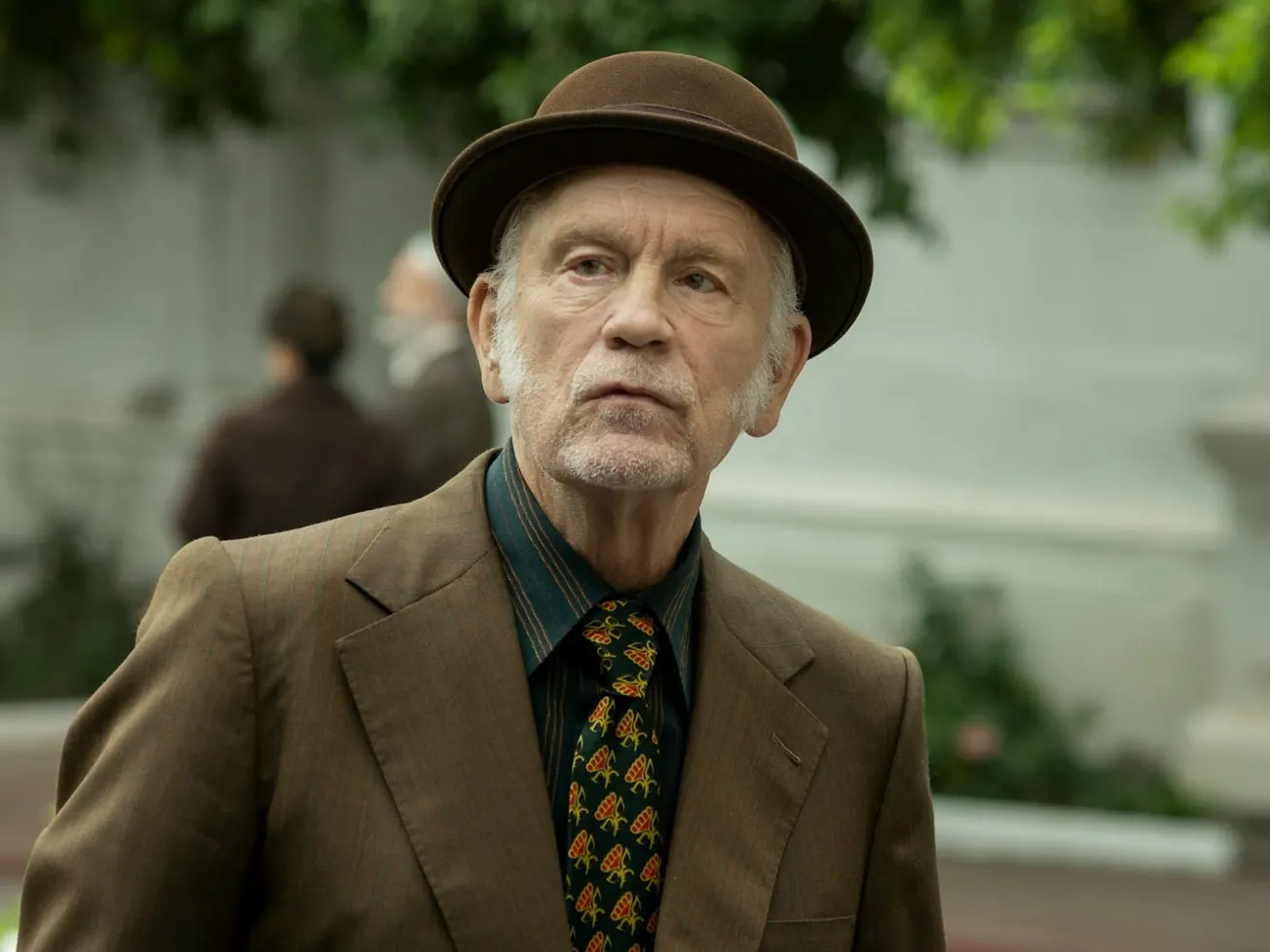
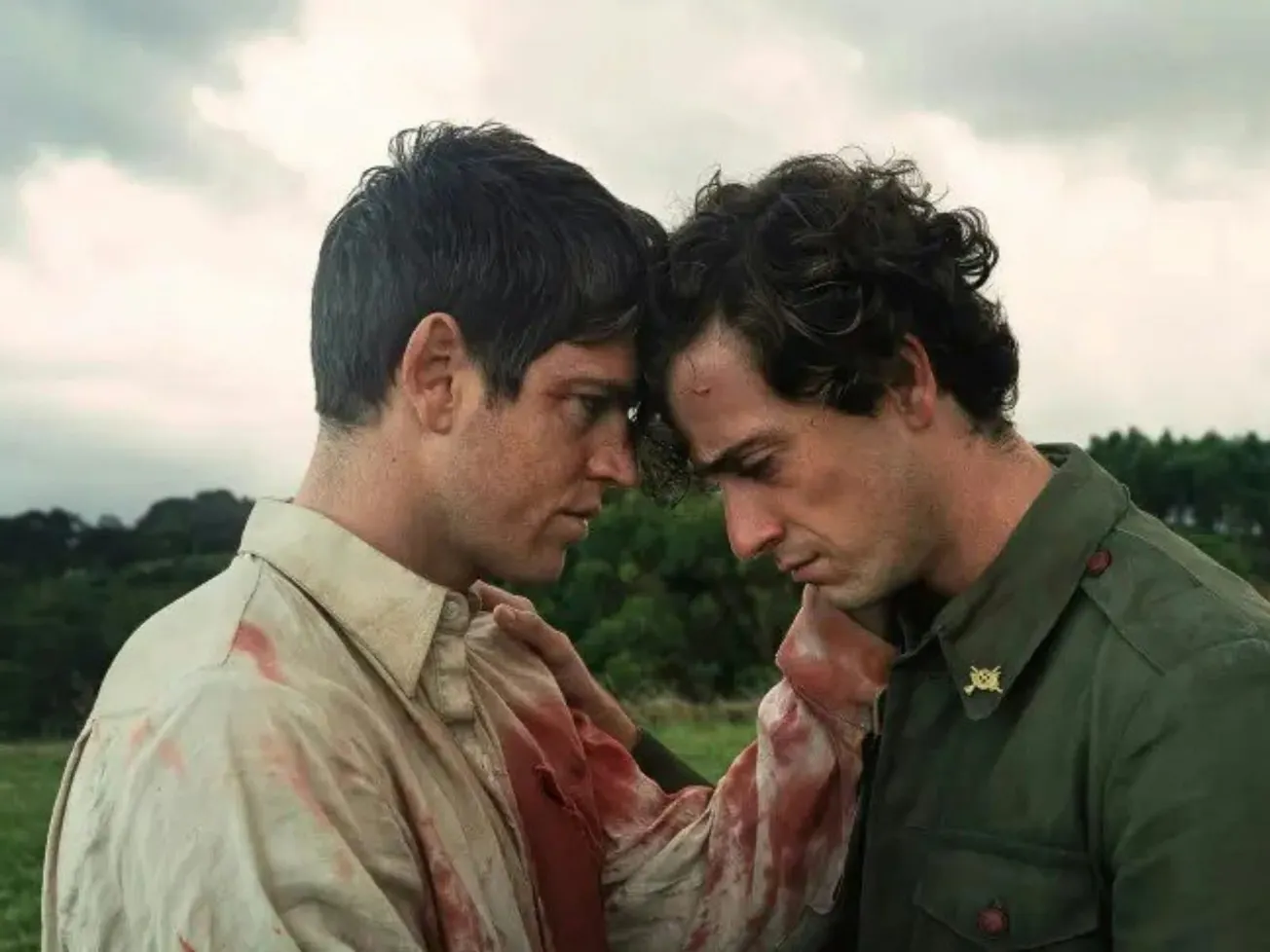
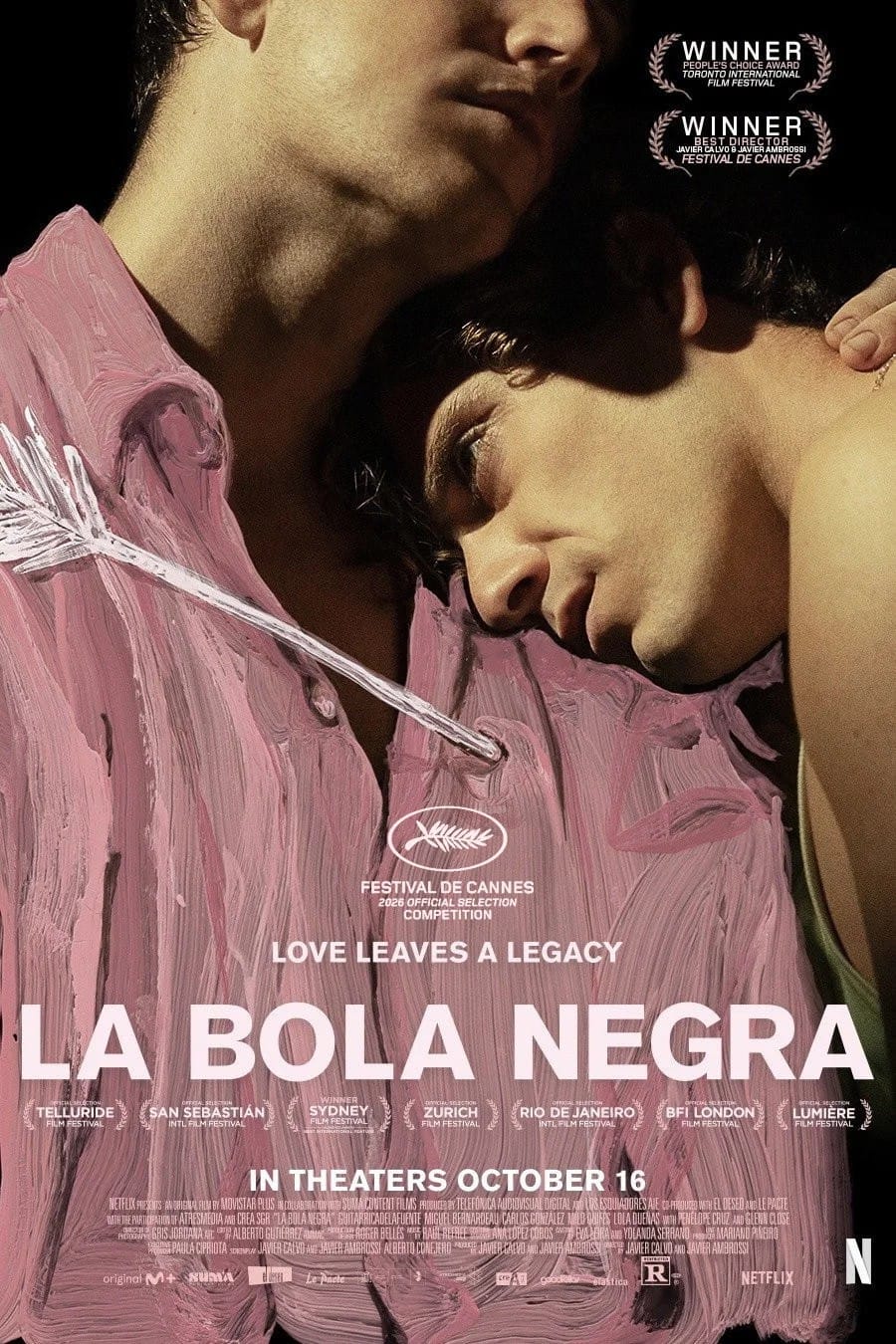
While on vacation in New York City, I was lucky enough to catch a screening of La Bola Negra at the Paris Theater. Beyond the great film, the evening was special because Glenn Close was there to introduce it. It was an experience I’ll never forget.
The film’s plot spans three time periods, and I’ll admit I sometimes struggled to piece it together. I might have followed it more easily if I’d researched the film beforehand, but I only began looking into it afterward. La Bola Negra starts from real people and events, then moves into fiction, with the directors taking creative liberties to create a story that feels emotionally true.
The first thread follows Carlos (Milo Quifes), a young gay man in 1932 who tries to join a private men’s club. His attempt ends in ritual humiliation: he is “blackballed,” rejected by a secret vote in which members drop black balls. The act is social, ceremonial, and coldly impersonal. Carlos is not merely excluded; he is judged by a system that offers no explanation because it believes none is owed. His storyline connects to an unfinished manuscript by Federico García Lorca, whose presence hangs over the film as both artistic inspiration and historical ghost.

The second — and, for me, most emotionally devastating — timeline is set during the Spanish Civil War. Sebastián (Guitarricadelafuente), a young man swept into the fascist war machine, is assigned to watch Rafael (Miguel Bernardeau), a wounded prisoner. A romance shaped by danger, coercion, fear, and tenderness follows.
The third timeline, set in 2017, follows Alberto (Carlos Gonzalez), a writer and historian who learns that his estranged grandfather has died and left him an inheritance — not of money, but of narration. Along with his grandfather’s gift, Alberto becomes the figure through whom the past is exhumed, interpreted, and emotionally reactivated.
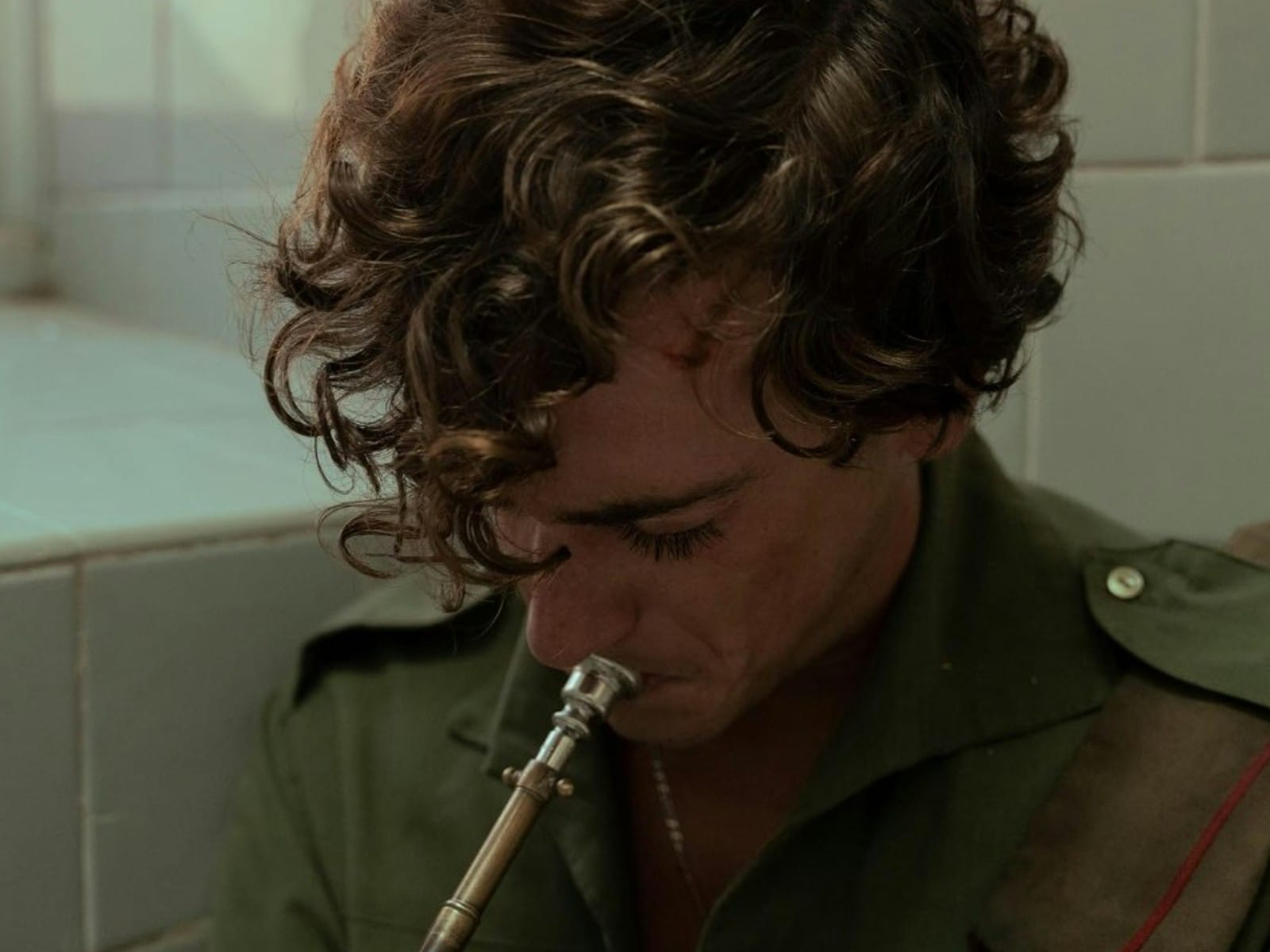
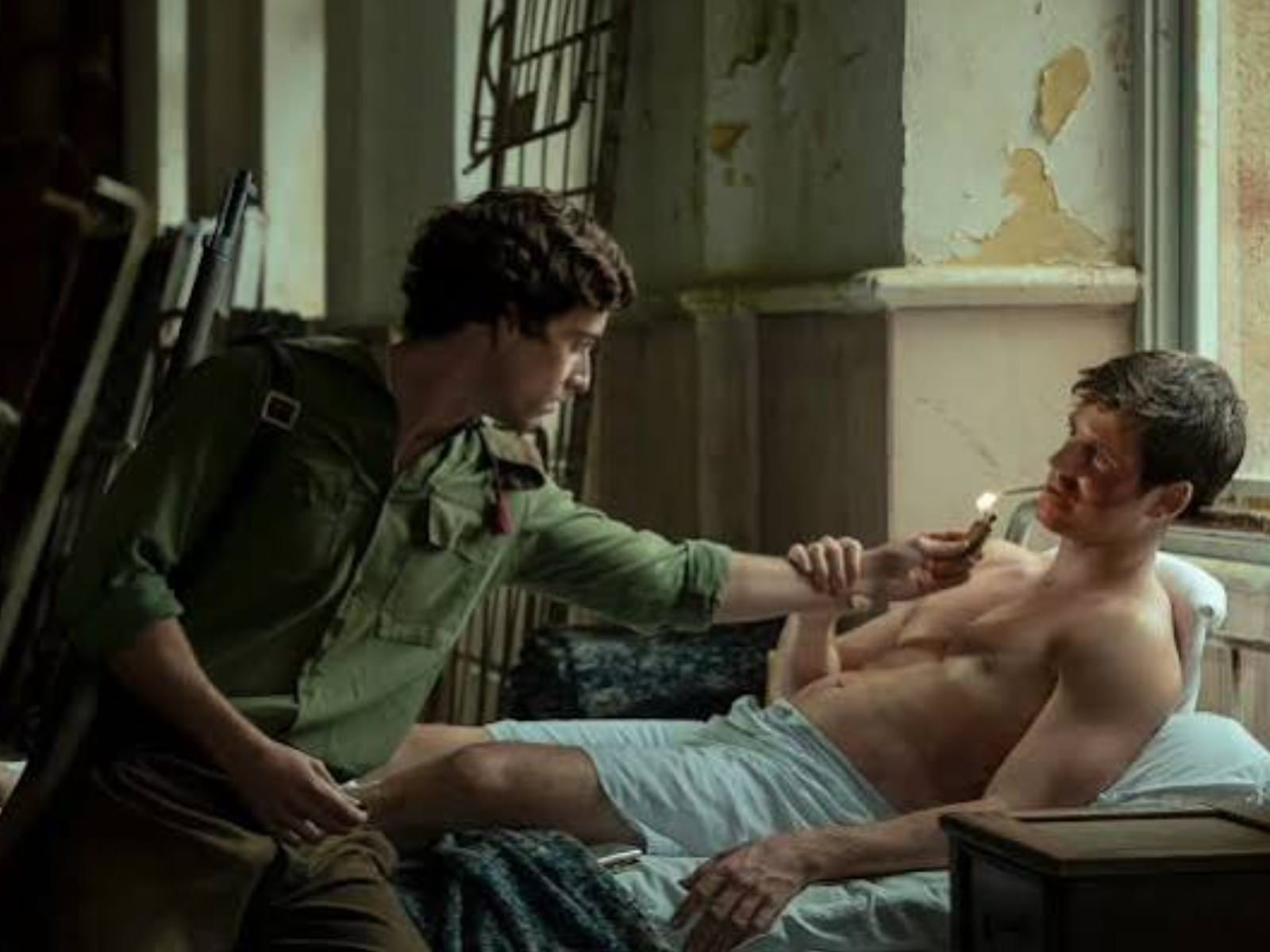
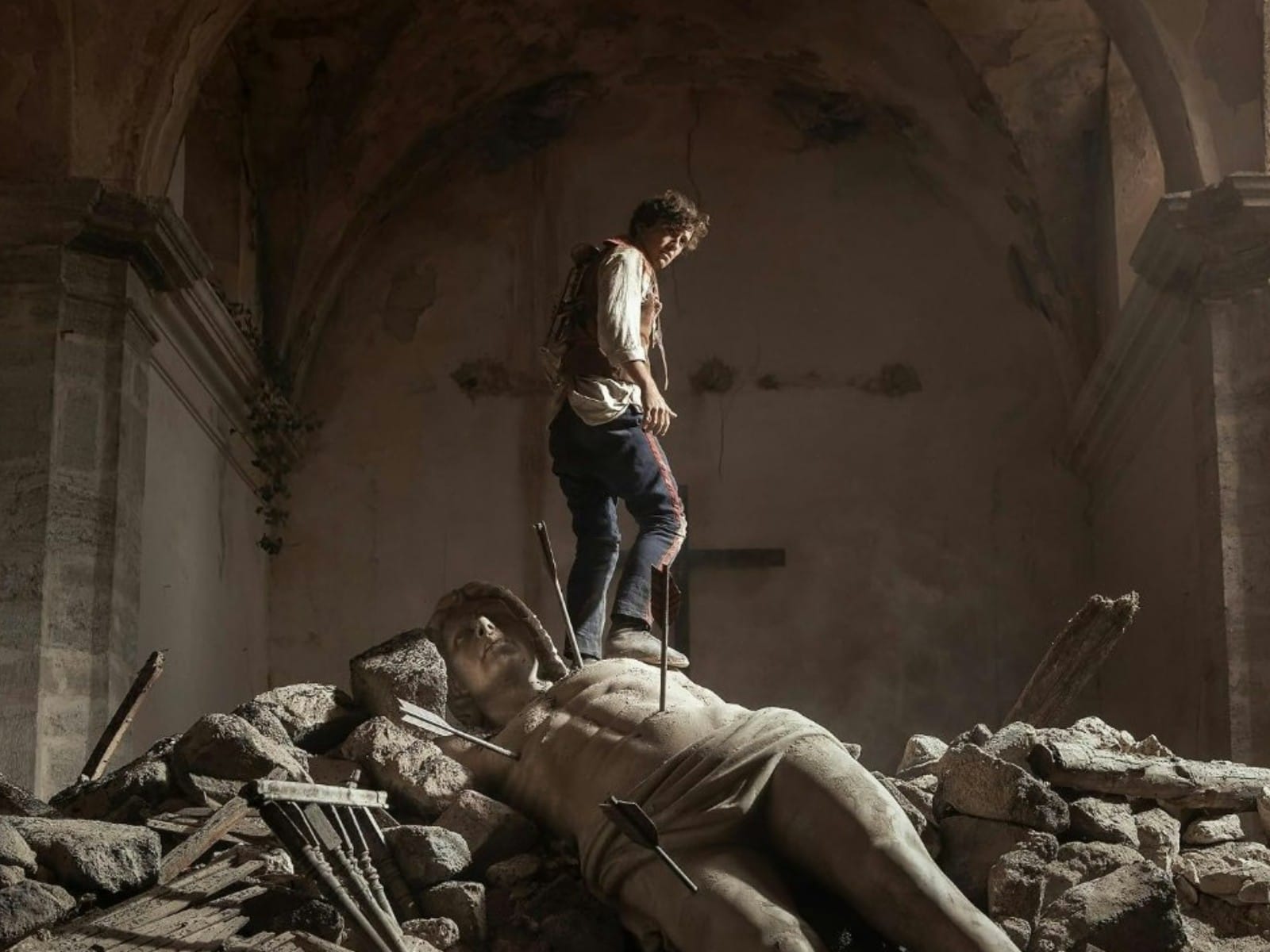
The timeline descriptions are brief for a reason; anything more would risk giving away spoilers. The acting is superb across all three timelines. The 1932 scenes feel stylized and theatrical. The Civil War section is taut and frightening, while the 2017 scenes — particularly the conversations between Alberto and his mother — add depth. And I have to mention that the cinematography took my breath away: the images linger, lending the film’s shifting timelines a sense of beauty and unease.
In the end, I loved La Bola Negra. Its length was my only reservation; I think a more concise cut could have served it well. Directors Javier Calvo and Javier Ambrossi won the Best Director prize at the 2026 Cannes Film Festival. That alone should tell you this is a film to watch. I recommend seeing it on the big screen, where its three timelines are meant to be experienced.
YouTube